

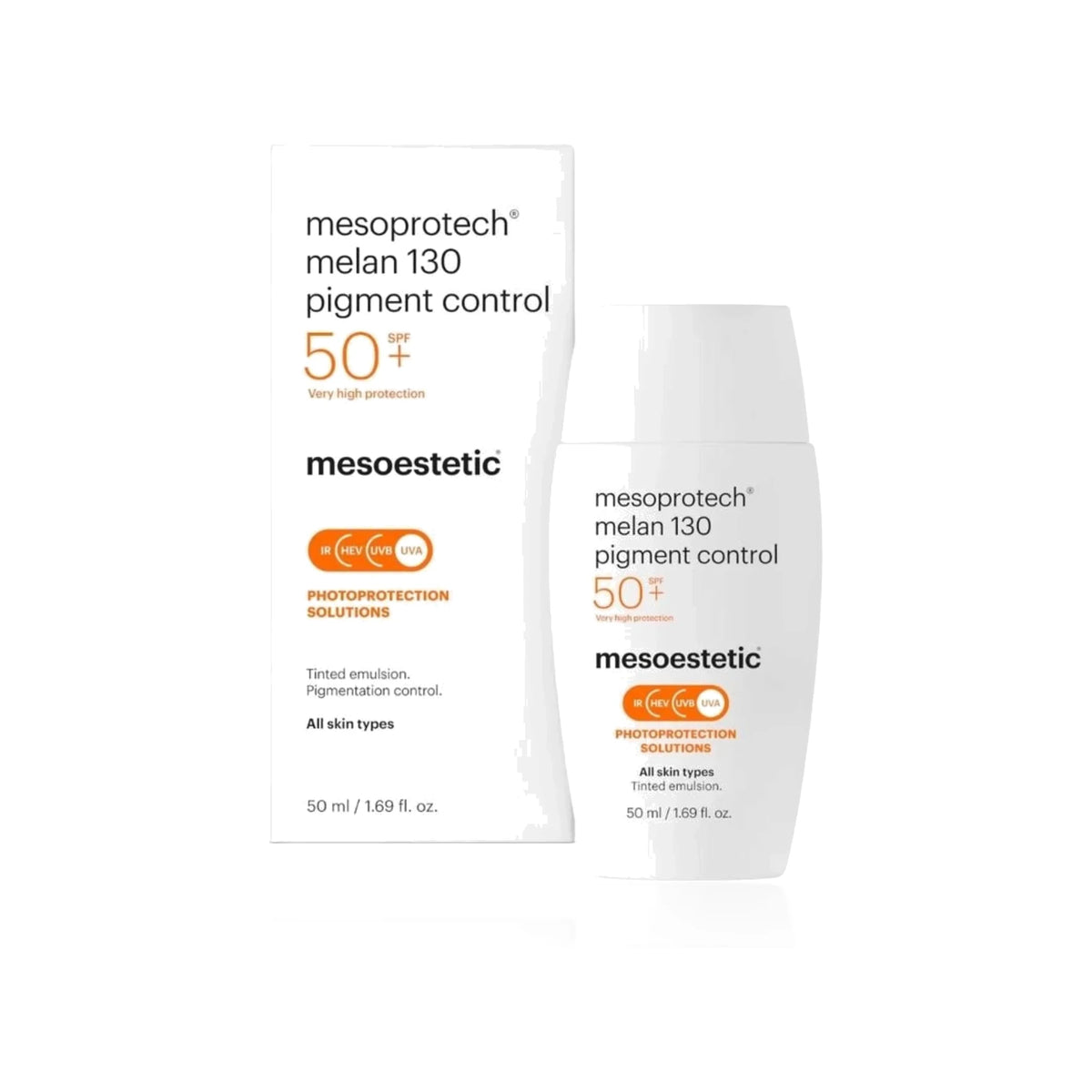
Mesoprotech Melan 130 Pigment Control

Azelaic Acid: The Active Ingredient for Problematic Skin
Azelaic acid is a multi-talented ingredient that is considered well tolerated in dermatology. What makes it special: it simultaneously has antibacterial, anti-inflammatory, and brightening effects - without irritating the skin like other acids.
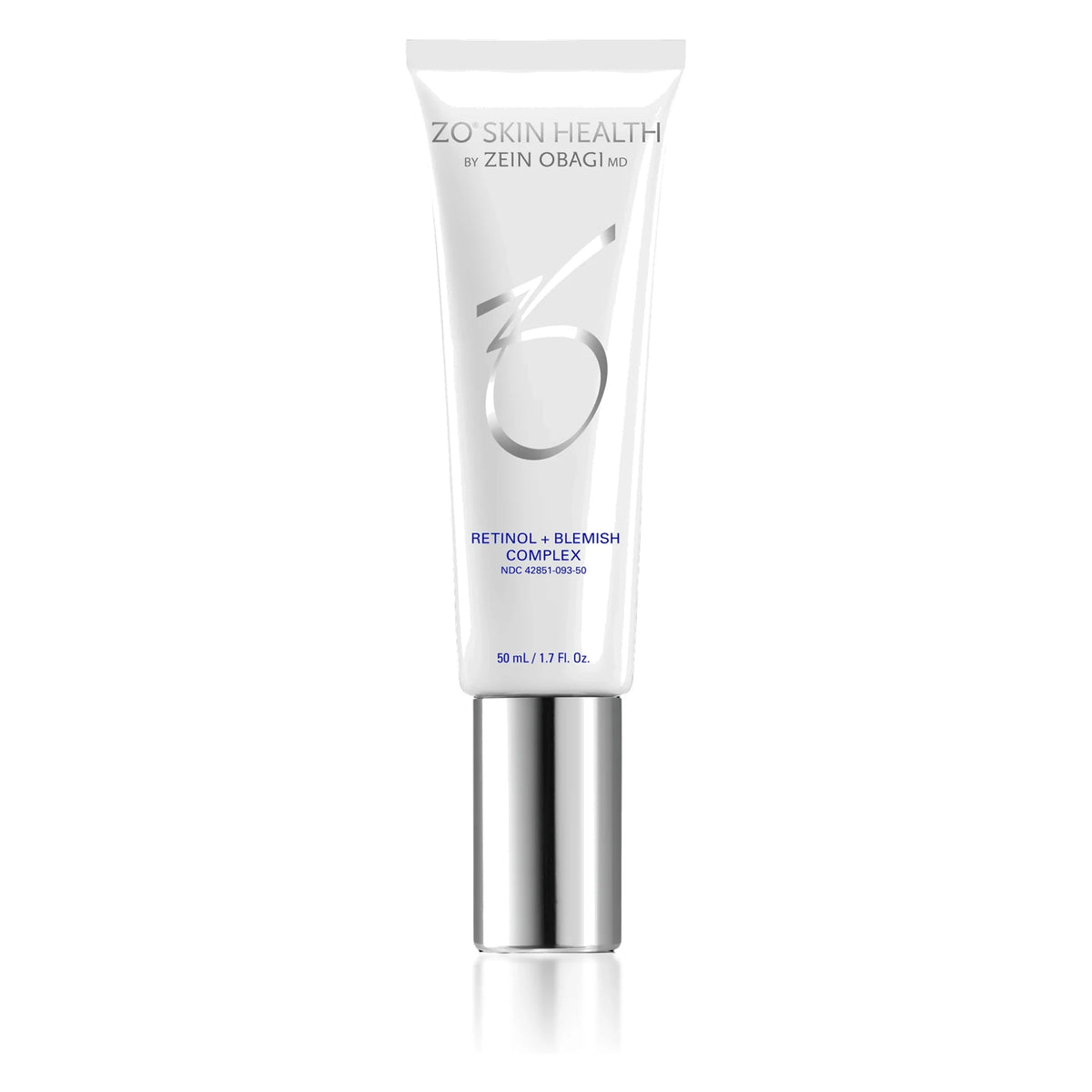
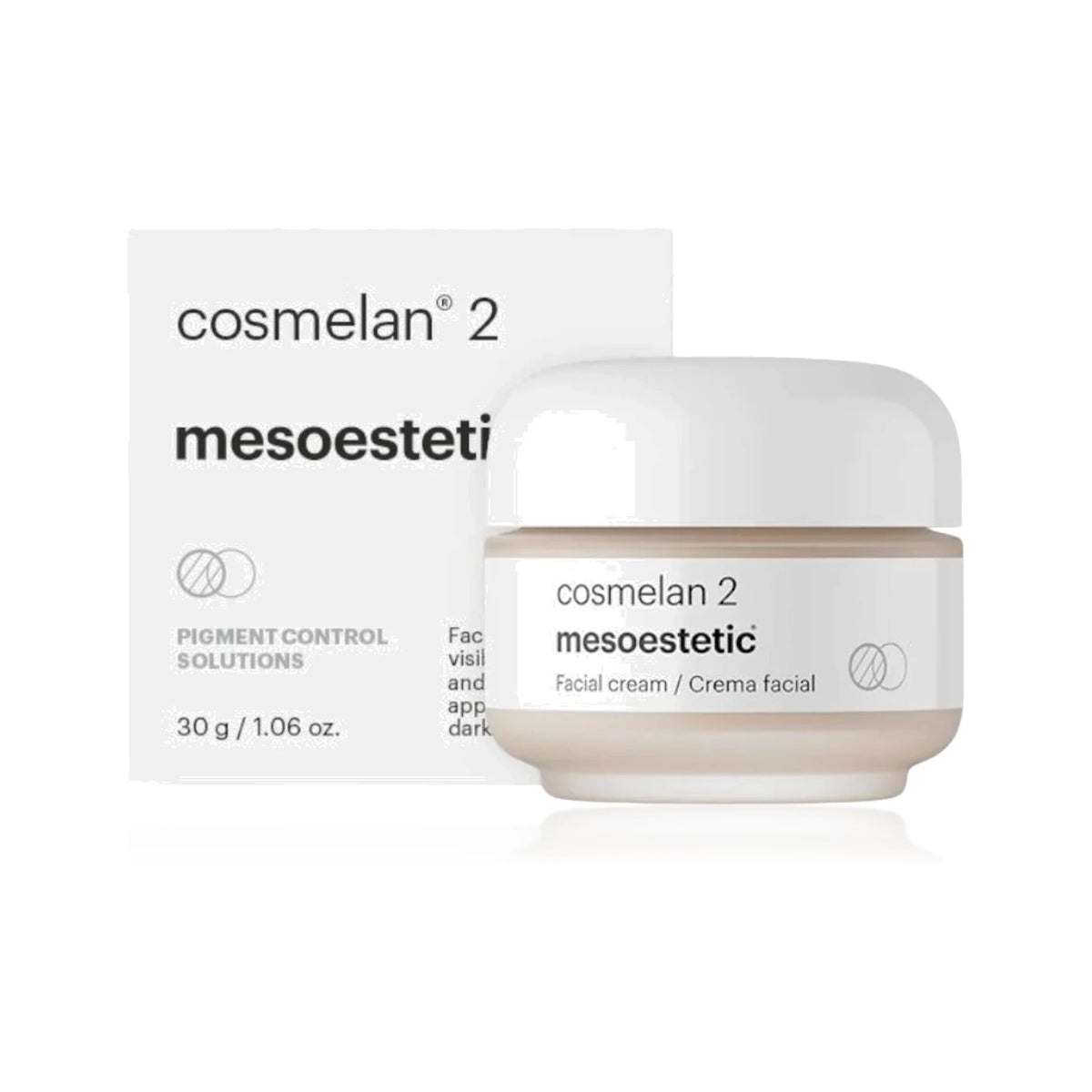
In our range, you'll find azelaic acid in the mesoestetic cosmelan 2 Cream - part of the professional depigmentation program that we use in our cosmetic studio in Cologne for melasma and stubborn pigment spots. The mesoestetic Mesoprotech Melan 130 combines an azelaic acid derivative with SPF 50+ for sun protection after brightening treatments. The ZO Skin Health Retinol + Blemish Complex uses an azelaic acid derivative together with retinol to combat blemishes and pigment spots.
Dr. Niels Freitag particularly recommends azelaic acid to clients who are sensitive to salicylic acid or retinol. It has less irritant potential and can still effectively work against blemishes and pigmentation.
Related Categories: Azelaic acid complements Retinol and is often used in the context of pigmentation spots and couperose and redness. In combination with Niacinamide, azelaic acid can enhance the effect on pigmentation and inflammation.

Not sure where to start?
One photo is enough. Our AI skin analysis identifies your skin type, analyses problem areas and recommends products suited to your skin. Free, instant, no appointment.
Prefer personal advice? Our skin experts are here for you by email, phone and video call.
Frequently asked questions about azelaic acid
What does azelaic acid help with?
Azelaic acid can help with blemishes (antibacterial effect), hyperpigmentation (can influence melanin formation), redness in rosacea-prone skin (anti-inflammatory), and acne scars (smoothes skin texture). It is one of the few active ingredients that can address multiple skin problems simultaneously.
Is azelaic acid better tolerated than salicylic acid?
Yes, for most skin types. Azelaic acid is less irritating and less drying. Especially for rosacea-prone skin that reacts sensitively to BHA, azelaic acid is often the better choice. However, for pure pore problems without redness, salicylic acid can be more effective.
Can I use azelaic acid during pregnancy?
Please consult your doctor.
How long does it take for azelaic acid to work?
First improvements in blemishes after 4-6 weeks. For hyperpigmentation and redness, it takes 8-12 weeks for visible results. Azelaic acid is not an instant active ingredient, but it is sustainable and gentle.
Morning or evening to use azelaic acid?
Both are possible. Azelaic acid is not UV-sensitive like retinol. In practice, many customers use it in the evening (along with the rest of their skincare routine) and vitamin C + sunscreen in the morning.