



Which face mask for which purpose?
Masks are the intensive step. They stay on the skin longer than any serum or cream, and it's exactly this extended contact time that lets the actives penetrate deeper and work more intensively. Depending on the goal, there are different types of mask.
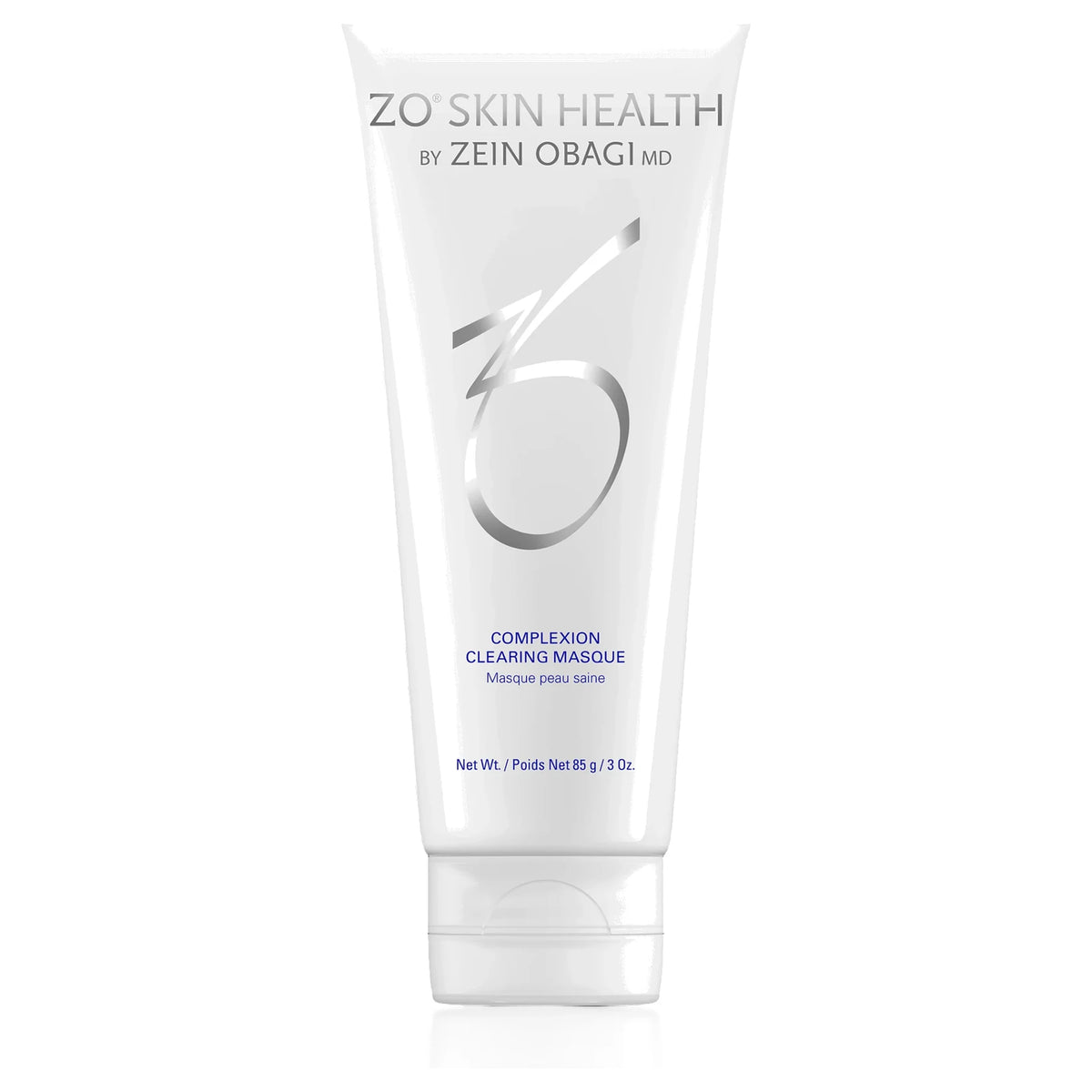
Clarifying masks for oily and blemished skin: the ZO Skin Health Complexion Clearing Masque contains sulphur and kaolin clay, which can absorb excess sebum and clarify blemishes. Ideal as a weekly deep cleanse.
Cooling eye pads for tired eyes: the Colorescience Total Eye Hydrogel Treatment Masks are hydrogel patches that channel moisture into the eye area in 15 minutes and can soften puffiness. Ideal before events or after long screen days.
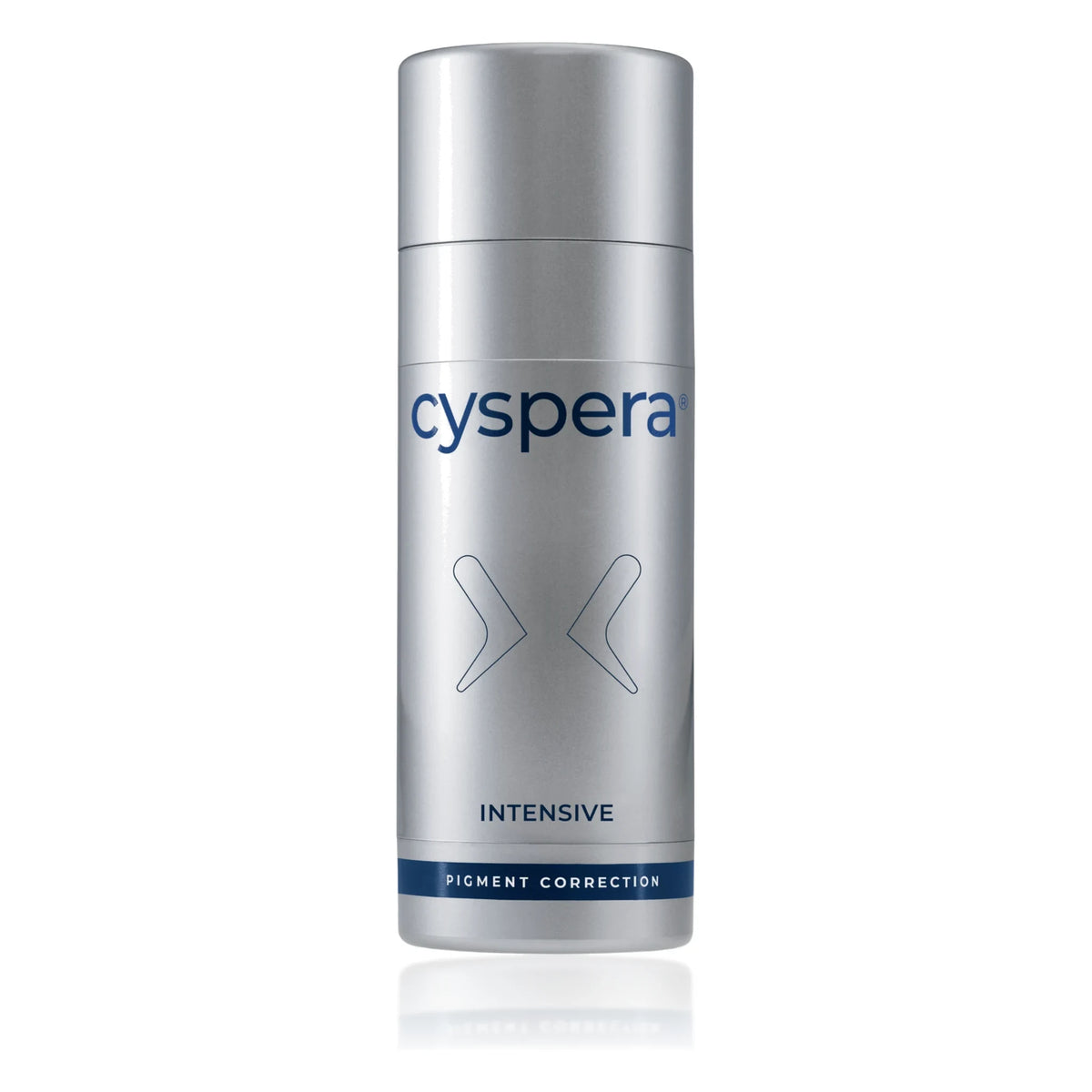
Depigmentation as a mask application: the Cyspera Intensive is applied like a mask (15 minutes), then rinsed off. Cysteamine can regulate melanin production - without hydroquinone, without retinol.
Masks aren't a daily care step, but a targeted boost. Once or twice a week is enough for most types of mask. With the Cyspera Intensive, the frequency follows the individual protocol.
In our skincare studio we use masks as a targeted complement to the daily routines. Dr. med. Niels Freitag recommends the ZO Complexion Clearing Masque especially for customers whose skin works harder at first after switching to a new care programme - the mask can support the clarifying process.
Related categories: Masks complement the routine of cleansing, serums & boosters and moisturising care.

Not sure where to start?
One photo is all it takes. Our AI skin analysis identifies your skin type, analyzes problem areas, and recommends products that suit your complexion. Free, instant, no appointment needed.
Would you prefer a personal consultation? Our skin experts are available via email, phone, and video call.
Frequently asked questions about face masks
How often should I use a face mask?
Once or twice a week for most types of mask. Clarifying clay masks like the ZO Complexion Clearing Masque can deep-cleanse oily skin once a week. Hydrogel eye pads like the Colorescience Total Eye Masks can also be used more often.
Can I leave a face mask on overnight?
Only if the product is expressly intended for that. The masks in our range are rinse-off masks - they're removed after 10 to 20 minutes. Leaving them on too long can irritate the skin.
How does the Cyspera Intensive differ from a normal mask?
Cyspera Intensive is a depigmentation cream applied like a mask: apply for 15 minutes, let it work, rinse off. The active cysteamine can regulate melanin production. Hydroquinone-free and retinol-free.
Where does the mask come in my routine?
After cleansing and the toner, before serums and creams. Clean skin absorbs the mask actives best. Don't combine exfoliation and a mask on the same day.
What are hydrogel masks?
Hydrogel masks are made of a gel material that clings closely to the skin's contour and so creates close contact between actives and skin. In our range you'll find hydrogel masks, for example with the Colorescience Total Eye Hydrogel Masks for the eye area.