

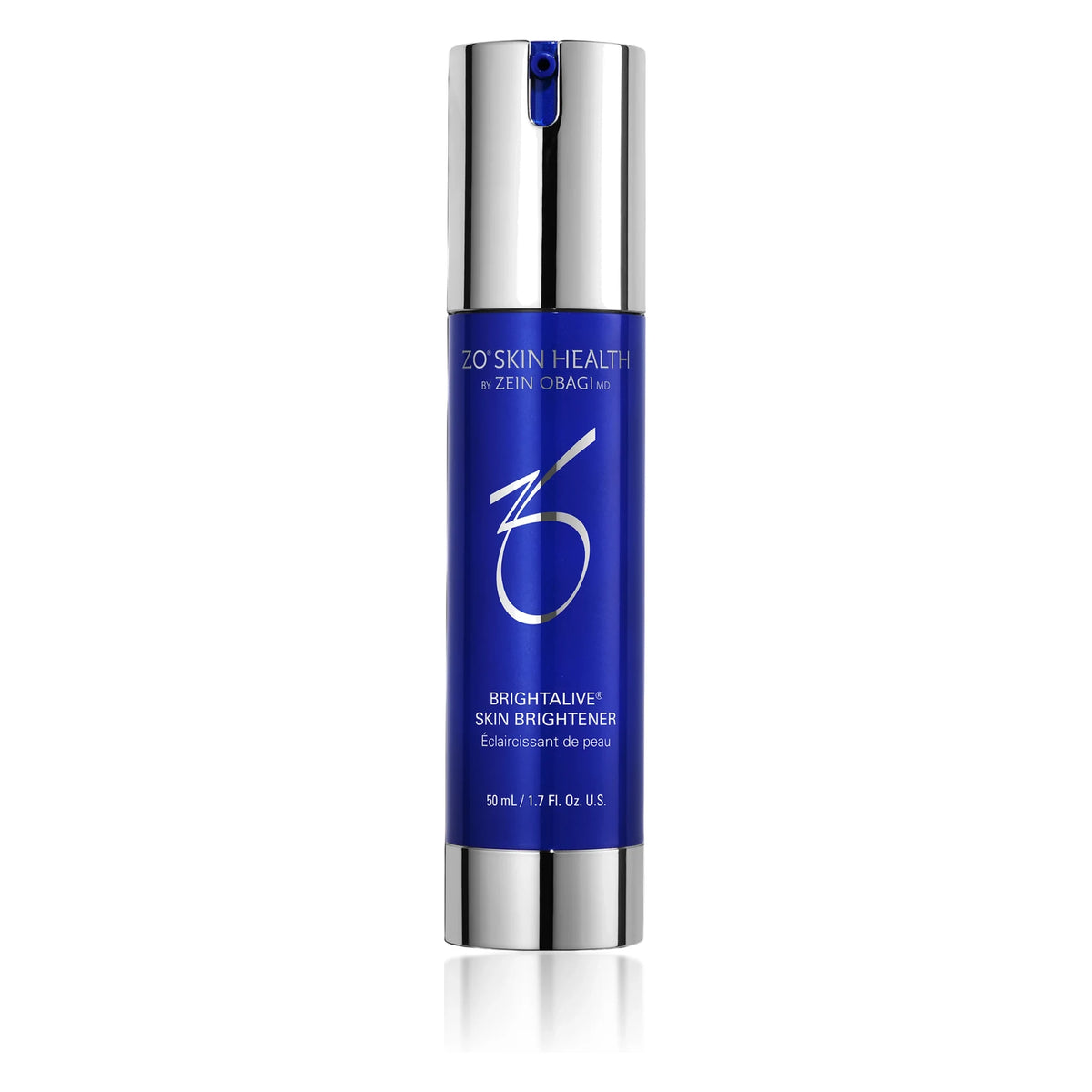
2 sizes
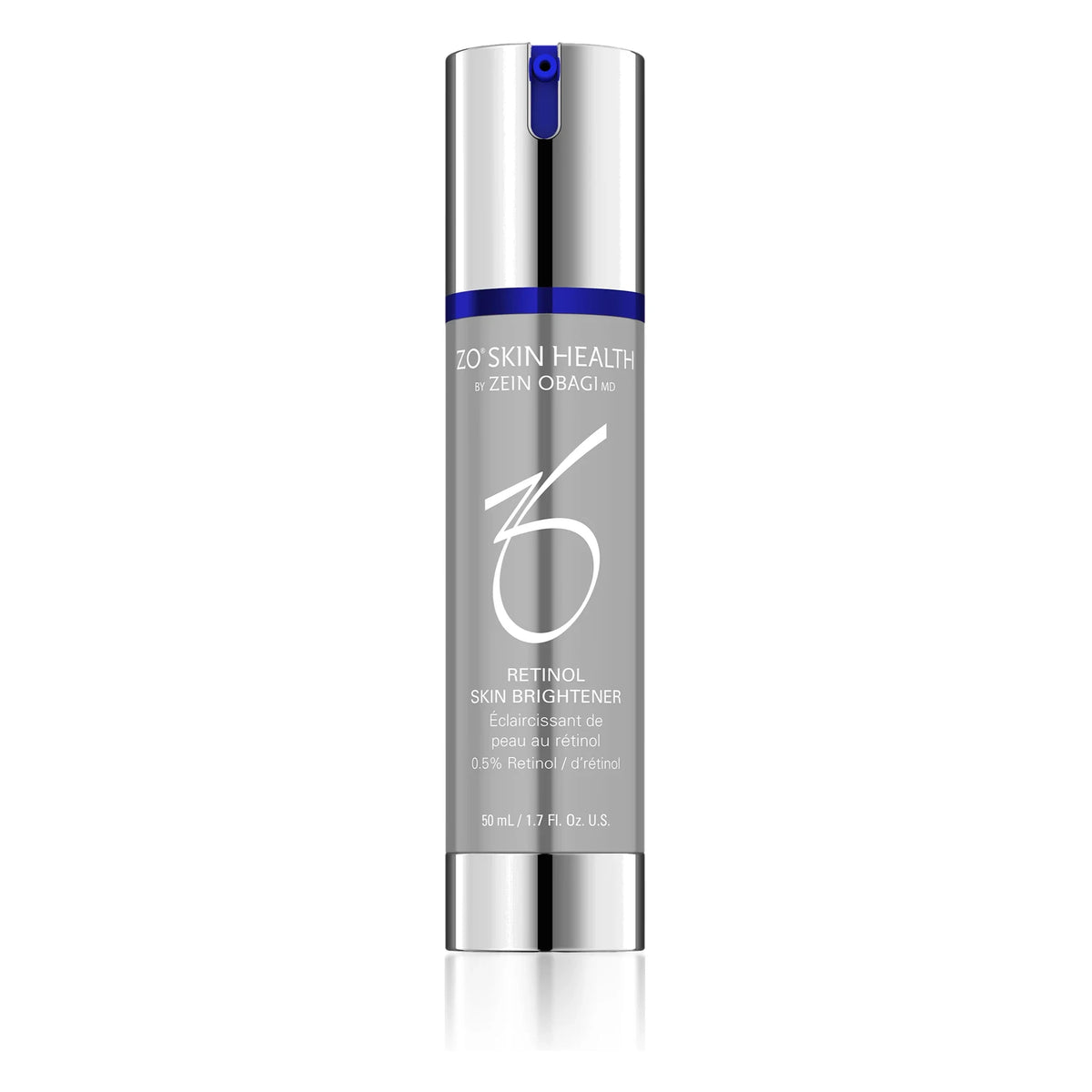


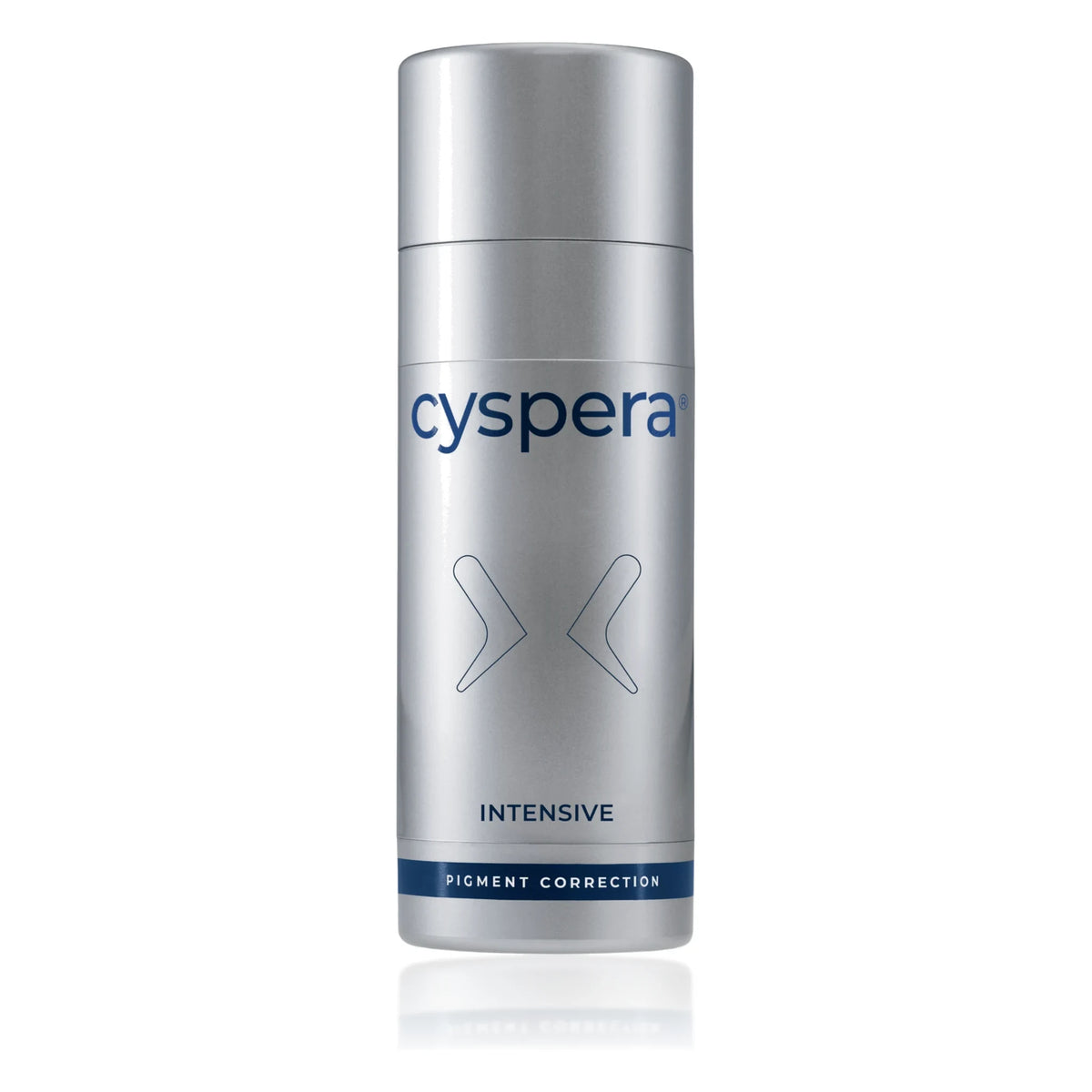

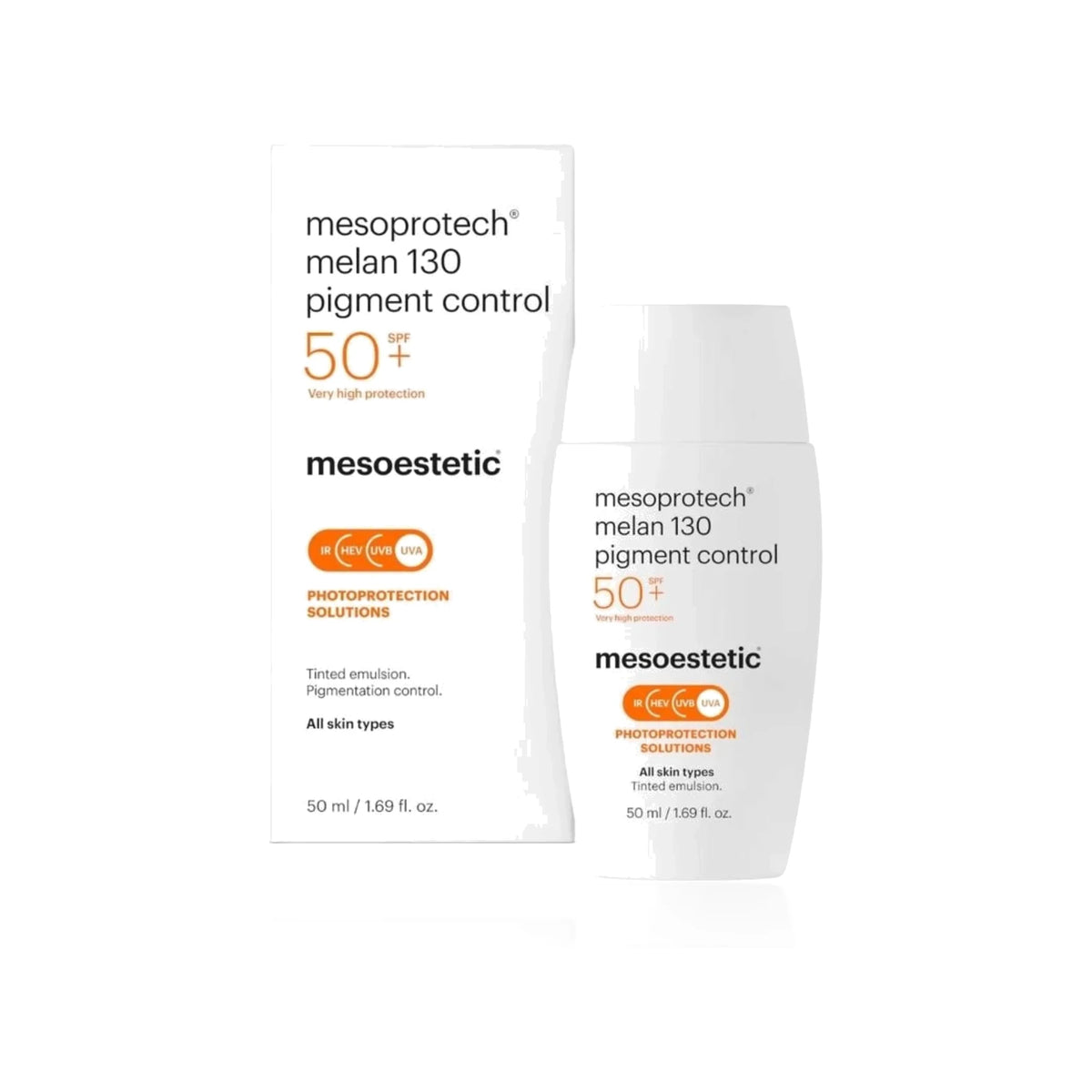
Mesoprotech Melan 130 Pigment Control

Even Up Clinical Pigment Perfector SPF 50


Even Up Multi-Correction Serum


What helps against hyperpigmentation?
Pigment spots occur when the skin produces too much melanin in certain areas. The triggers vary: UV radiation, hormonal changes (pregnancy, birth control pill), skin inflammation, or simply age. The result is seen as dark spots on the face, forehead, upper lip, or décolleté - an uneven skin tone that many find bothersome.
Lighten pigment spots and prevent new ones. This requires the right combination of three steps: lightening existing spots, protecting against renewed pigmentation, and care that makes the skin tone more even in the long term.
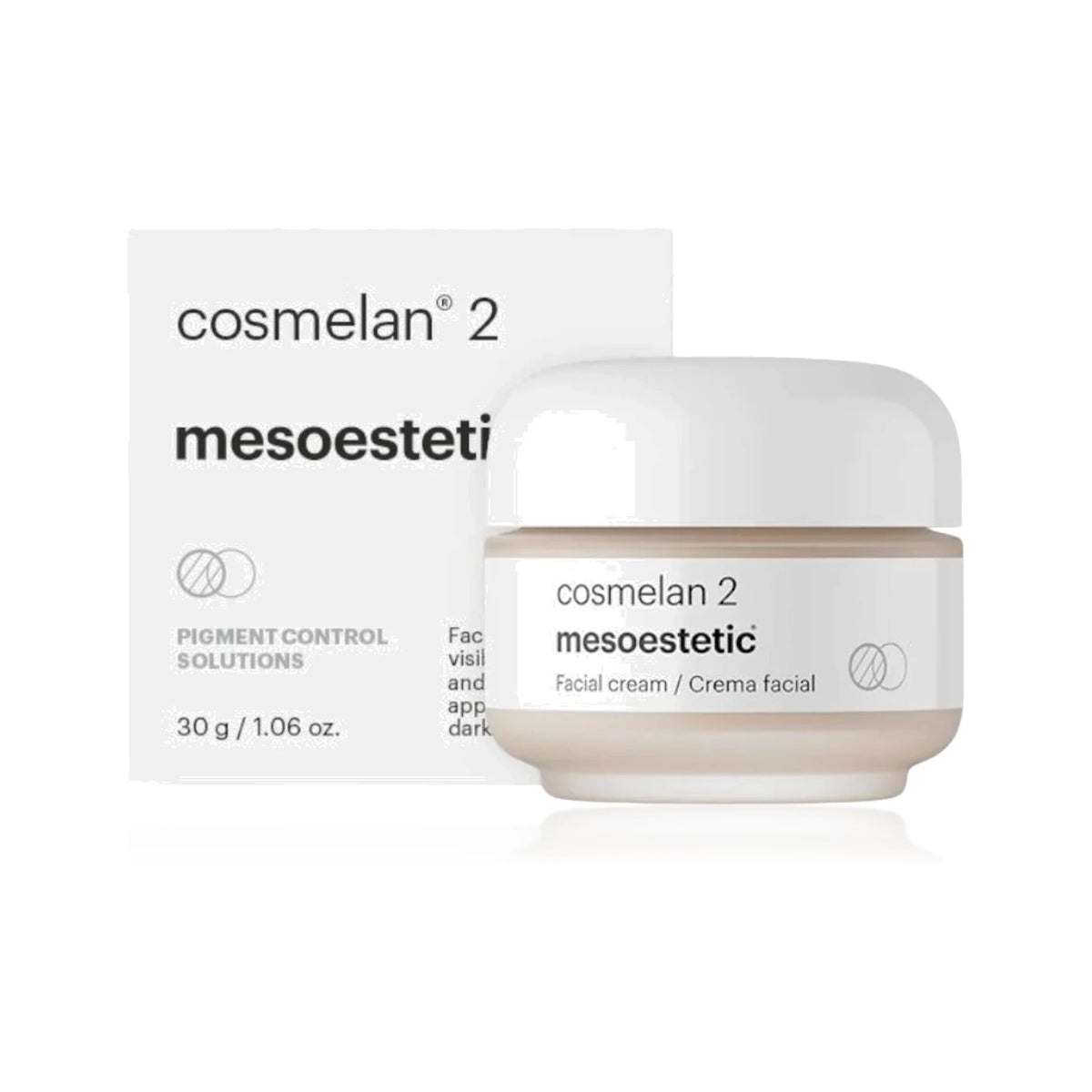
Active ingredients that play a role in pigment spots and age spots: Retinol promotes natural skin renewal, so the skin tone becomes more even over time. Vitamin C supports a more even complexion and simultaneously protects against free radicals. Tranexamic acid (regulates melanin production in the skin) and azelaic acid (has brightening and anti-inflammatory effects) are specifically designed for the care of pigmentation changes. Niacinamide (Vitamin B3) can help reduce the appearance of visible discolorations. And cysteamine (Cysteamine HCl) - the active ingredient in Cyspera - is considered one of the most effective cosmetic options for depigmentation (targeted lightening of pigment spots). Cysteamine works by inhibiting tyrosinase, blocking the key enzyme in melanin production. Kojic acid, another tyrosinase inhibitor, is found as a complementary active ingredient in mesoestetic cosmelan 2 Cream. We also use Cyspera and cosmelan in our beauty salon in Cologne, and the results are confirmed with home use.
At least as important: consistent sun protection. Without daily sun protection, pigment spots will return, no matter how good your serum is. Many brightening active ingredients (retinol, Vitamin C) also make the skin more photosensitive. Mineral sunscreens with high SPF (sun protection factor) - such as Colorescience Even Up SPF 50 or mesoestetic Melan 130 - protect not only against UVA and UVB, but also against visible light (HEV), which can also intensify pigmentation.
Therefore, anyone who wants to remove or significantly reduce pigment spots does not need a single miracle product, but an coordinated system of lightening, care, and protection.
Related skin topics: Many of the products in this collection also help with anti-aging, dull skin, and sensitive skin. If you are unsure which products suit your skin type, start with our free AI skin analysis. Active ingredients like glycolic acid can shed dead skin cells and make the complexion appear more even.

Not sure where to start?
One photo is enough. Our AI skin analysis identifies your skin type, analyses problem areas and recommends products suited to your skin. Free, instant, no appointment.
Prefer personal advice? Our skin experts are here for you by email, phone and video call.
Frequent Questions about Pigmentation Spots
Which cream helps with hyperpigmentation?
The right cream for hyperpigmentation depends on how severe the pigmentation is and what the underlying cause is.
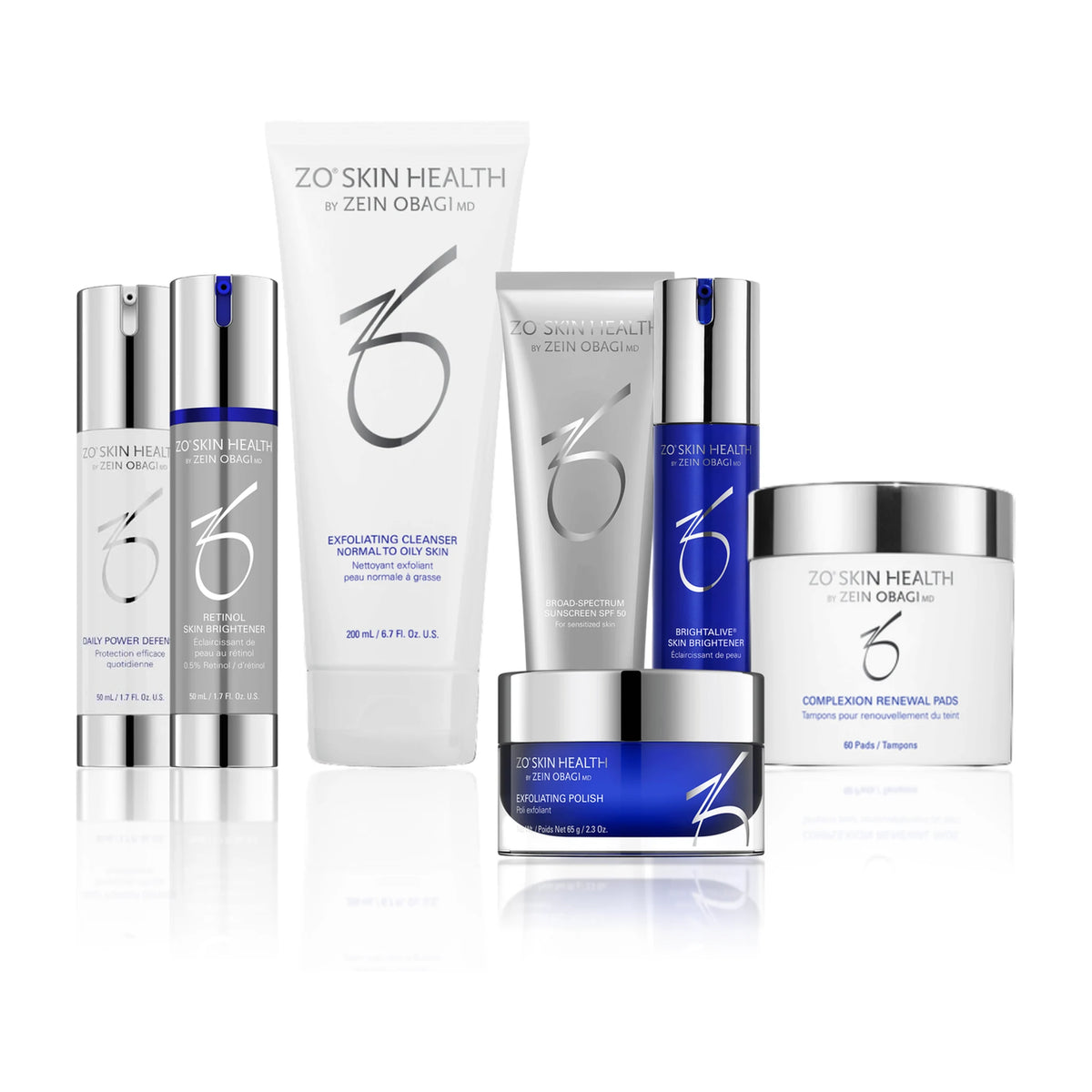
For light discolorations, serums with arbutin (such as the iS Clinical Brightening Serum) or Retinol (ZO Skin Health Retinol Skin Brightener) can bring visible results. For more severe spots or melasma, many rely on the cosmelan 2 System from mesoestetic or Cyspera Intensive - both professional depigmenting products that we are familiar with from daily use in our beauty salon.
Creams for hyperpigmentation containing azelaic acid or niacinamide can also promote a more even skin tone. Important: Without daily sun protection (at least SPF 30, preferably SPF 50), any pigmentation will return.
Can pigment spots be completely removed?
Cosmetic products can visibly lighten pigment spots and make the skin tone much more even. Disappear completely? That depends on the cause and depth of the pigmentation.
Superficial discolorations (e.g., after sun damage) generally respond better than deep melasma pigmentation. In a study on cysteamine, users reported a significantly more even complexion after 16 weeks.
Generally, expect 8 to 12 weeks of consistent use before you see a change.
Why do I need sun protection for hyperpigmentation?
UV radiation is the most important trigger for melanin formation. Even the best serum for hyperpigmentation cannot do anything if the skin is exposed to the sun unprotected.
On the contrary: many brightening active ingredients (retinol, vitamin C) make the skin more light-sensitive. That's why daily sun protection with at least SPF 30 is not an option, but a must.
Mineral sun protection such as Colorescience Even Up SPF 50 or mesoestetic Melan 130 also protects against visible light (HEV), which can also increase pigmentation.
What do dermatologists recommend for hyperpigmentation?
Dermatologists usually rely on a combination of lightening, protection, and patience for hyperpigmentation. Active ingredients frequently used include retinoids (prescription or cosmetic retinol), azelaic acid, and vitamin C.
These active ingredients are well-established in dermatology. Our product range is accordingly curated - from Cyspera Intensive (cysteamine-based) to the ZO Skin Health Retinol Skin Brightener and Colorescience Even Up SPF 50 for daily protection.
Important: Without consistent sun protection, any lightening strategy is ineffective. This is the point dermatologists emphasize most frequently.
Are age spots dangerous?
In most cases, pigmentation spots are harmless - cosmetically bothersome, but not dangerous. Nevertheless, you should observe any changes. If a spot changes its shape, color, or size, becomes irregular, or itches, have it checked by a dermatologist.
The ABCDE rule helps with self-monitoring: Asymmetry, Border, Color, Diameter, Evolution. Regular skin cancer screening is advisable regardless of pigmentation spots - your dermatologist can reliably distinguish harmless changes from suspicious ones.