

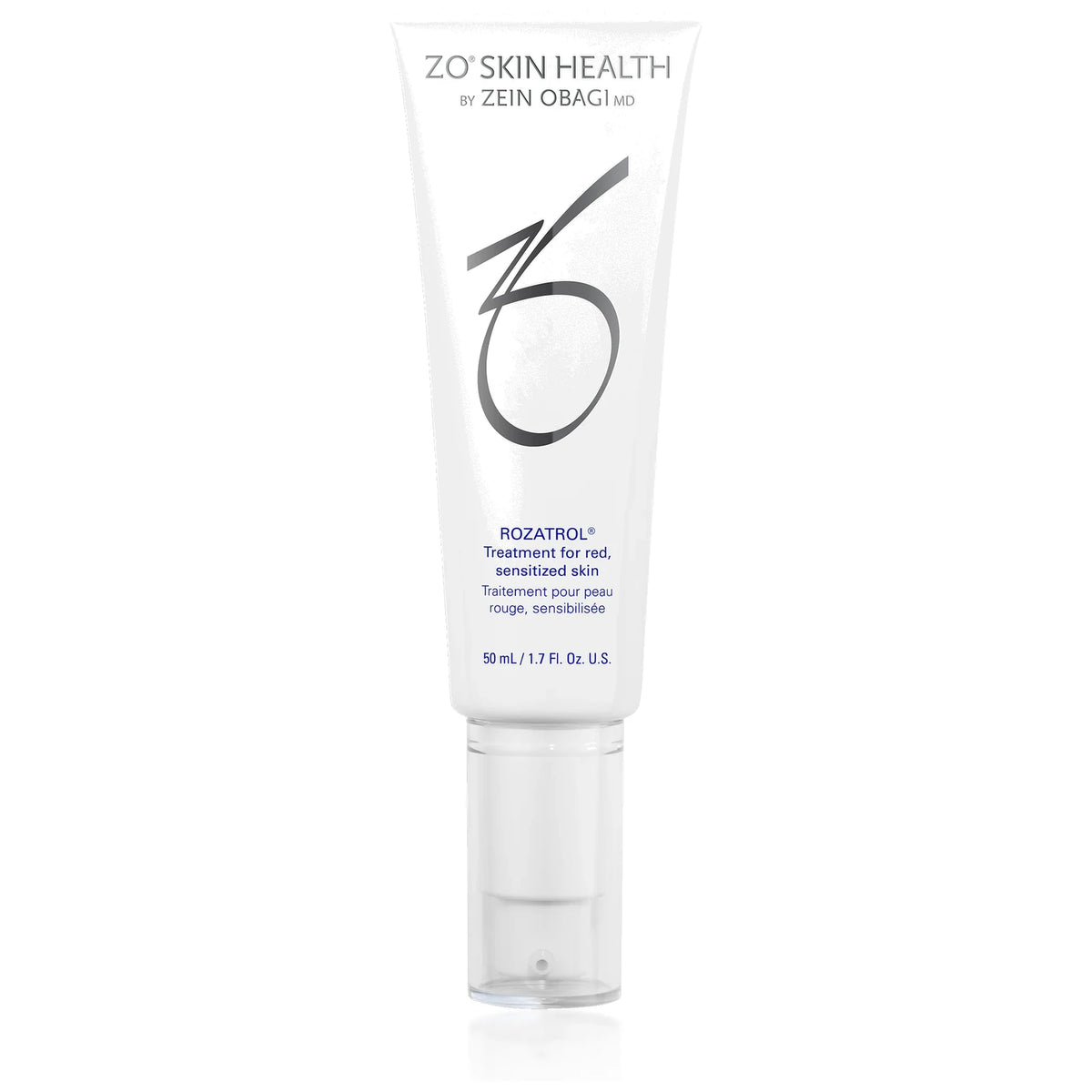
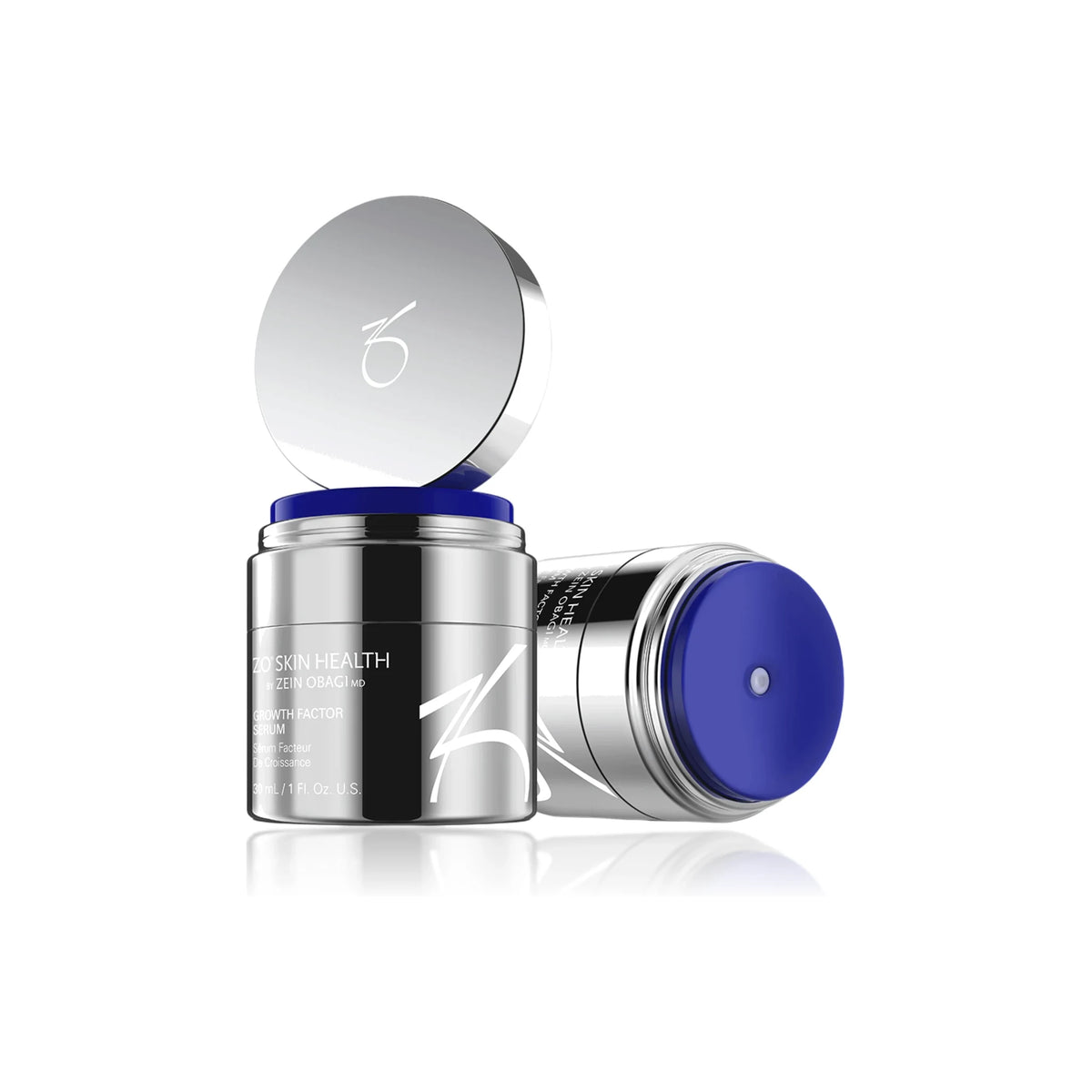
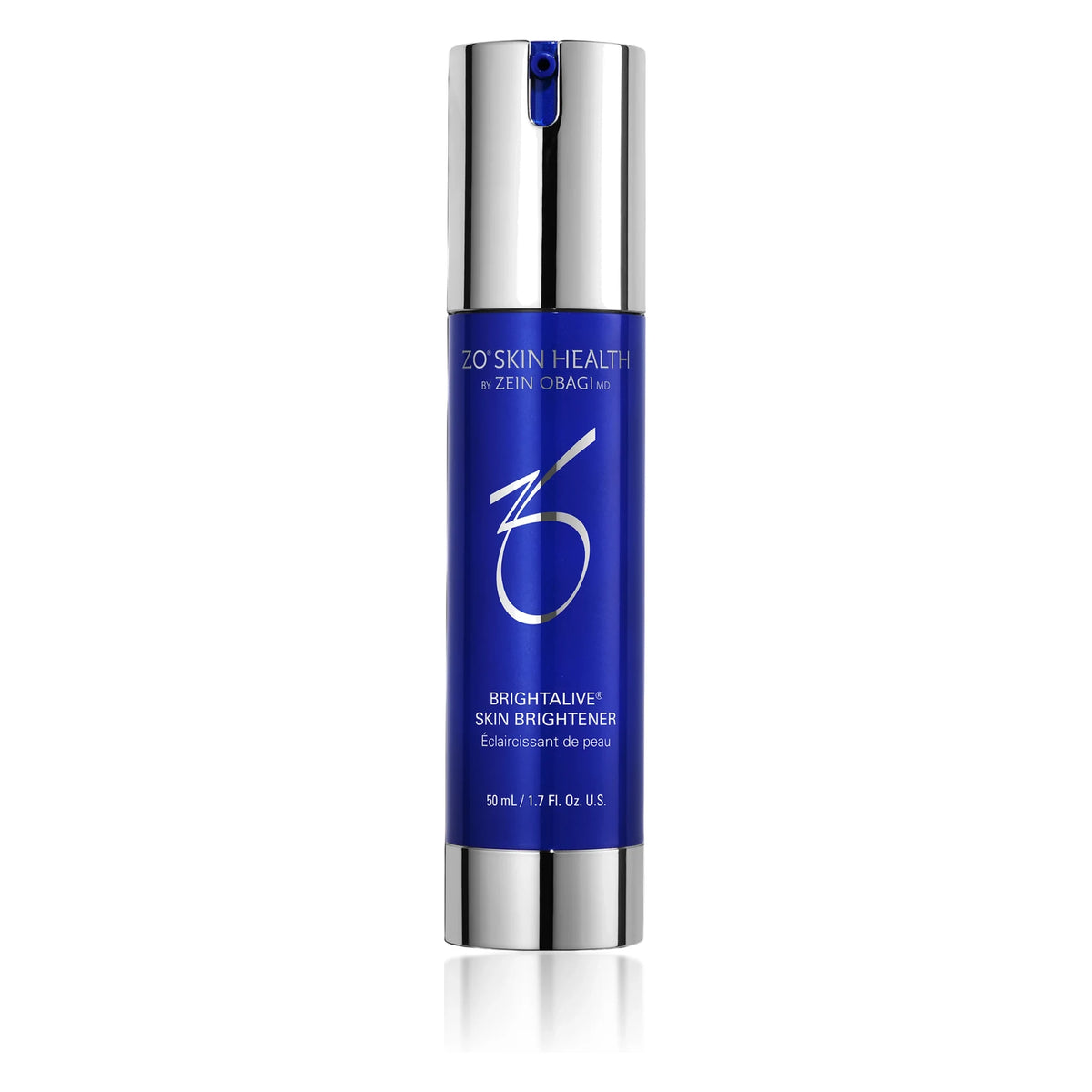
2 sizes


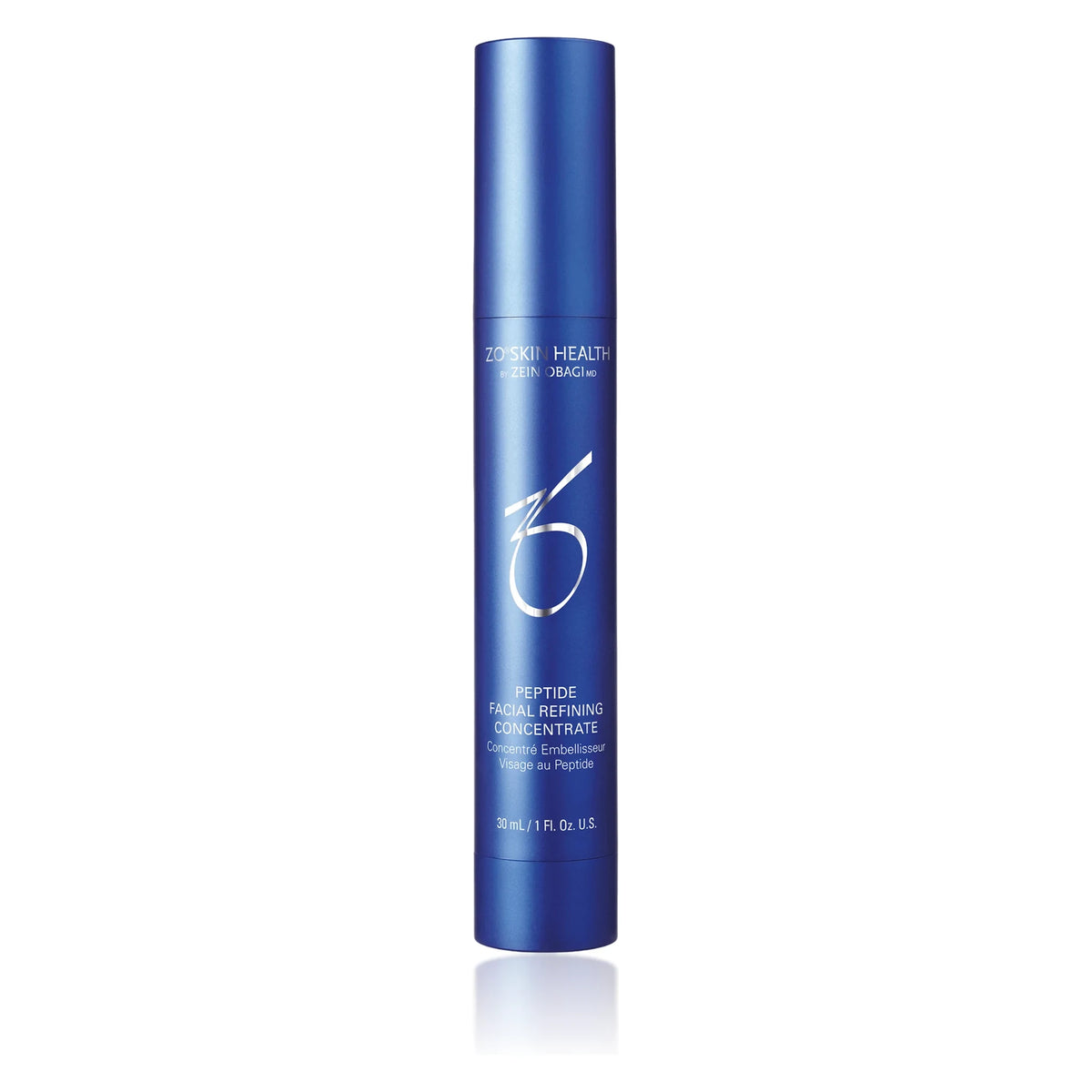
Peptide Facial Refining Concentrate
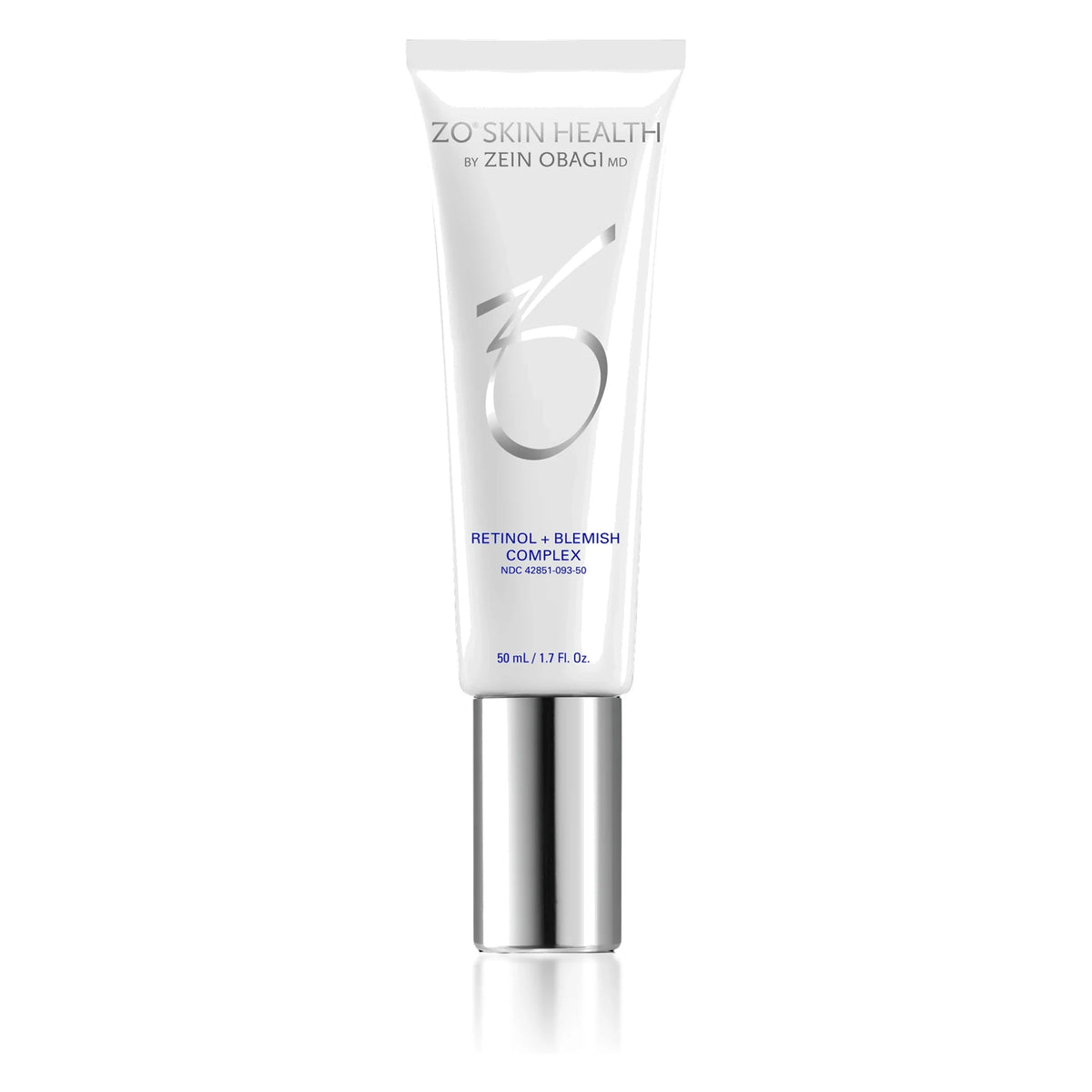
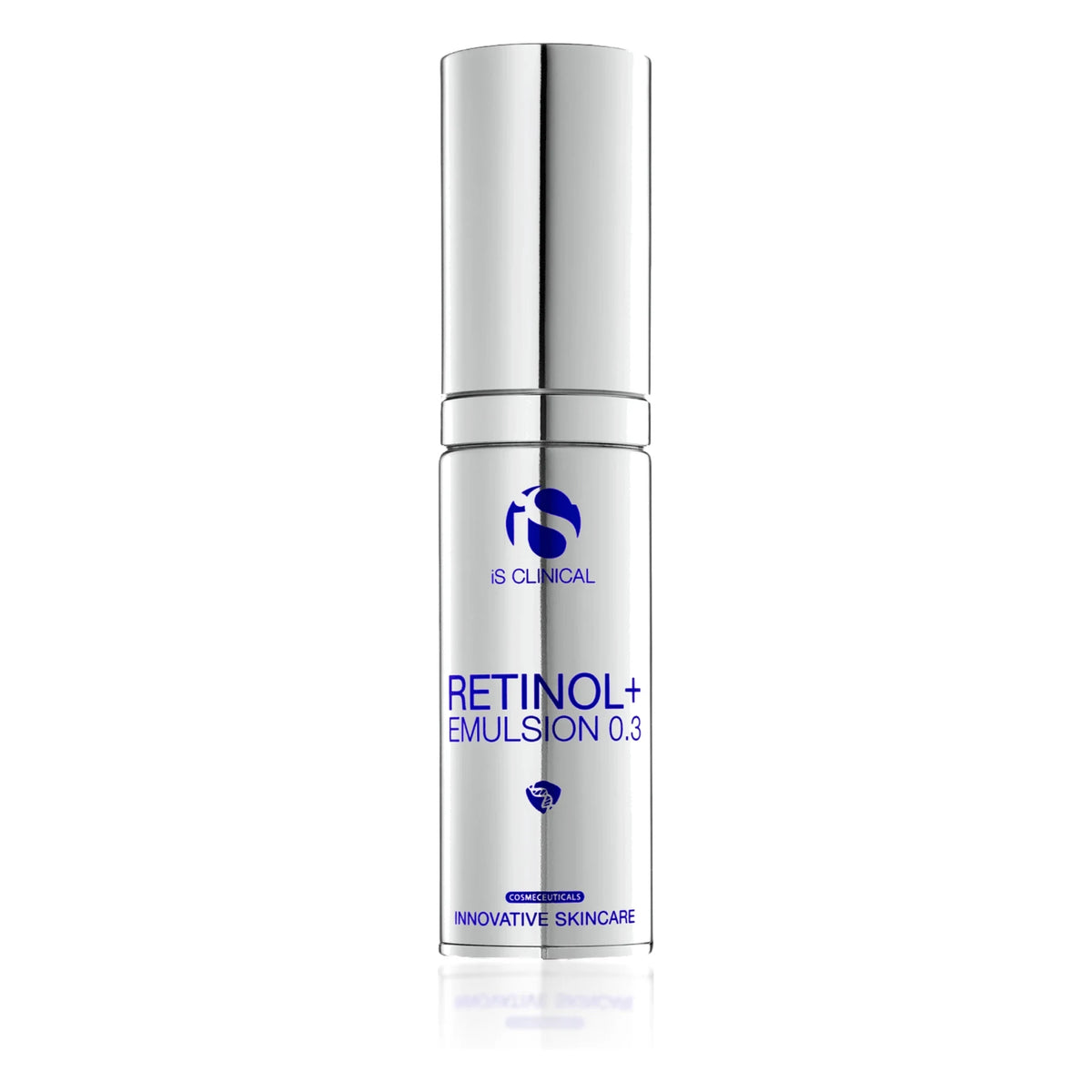
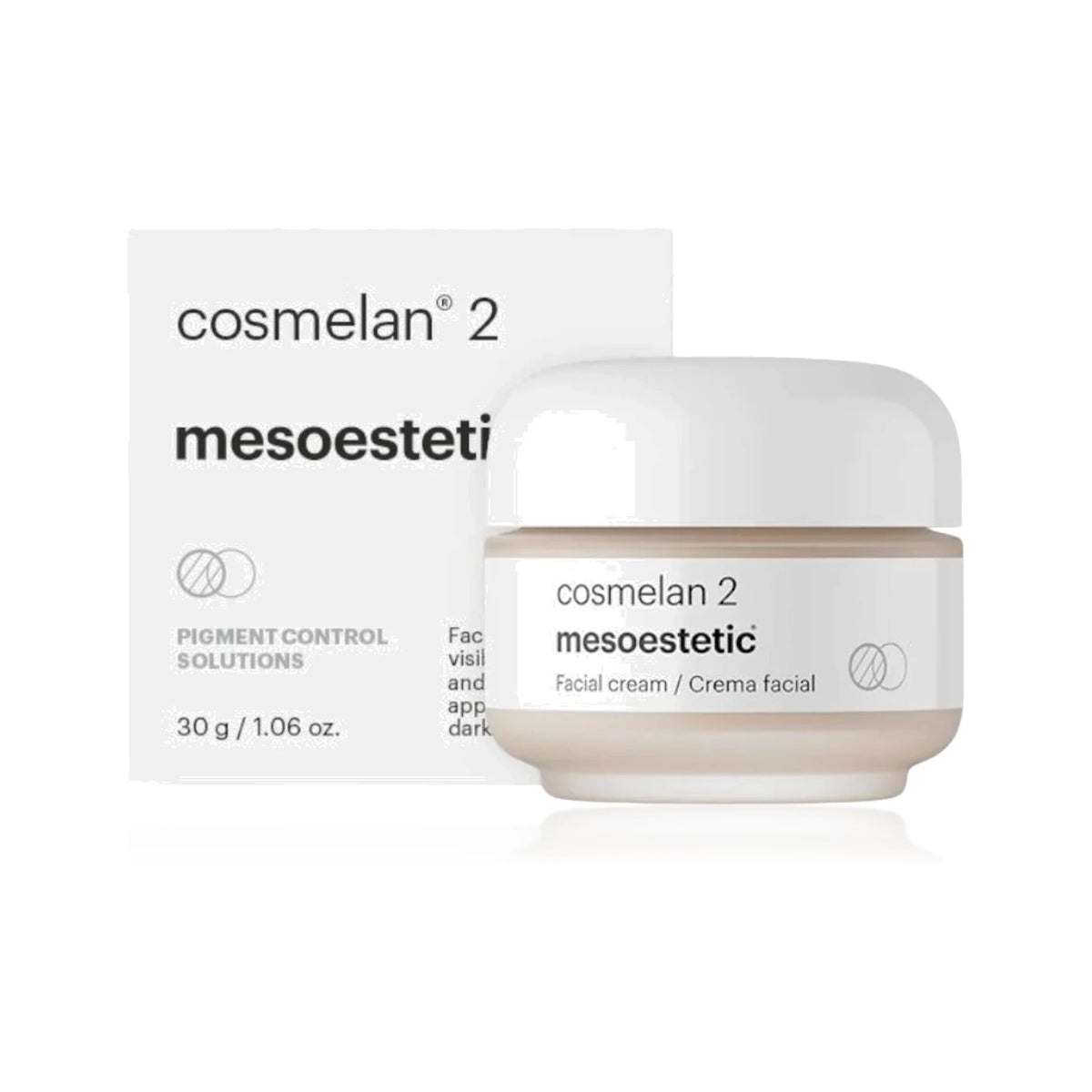




All Calm Multi-Correction Serum


Age Element Anti-Wrinkle Cream
Why a serum makes the difference
The difference between a serum and a cream lies in the concentration. Serums contain actives in a higher dosage and in smaller molecule sizes, so they can penetrate deeper into the skin than a cream. A cream cares for the surface - a serum works beneath it.
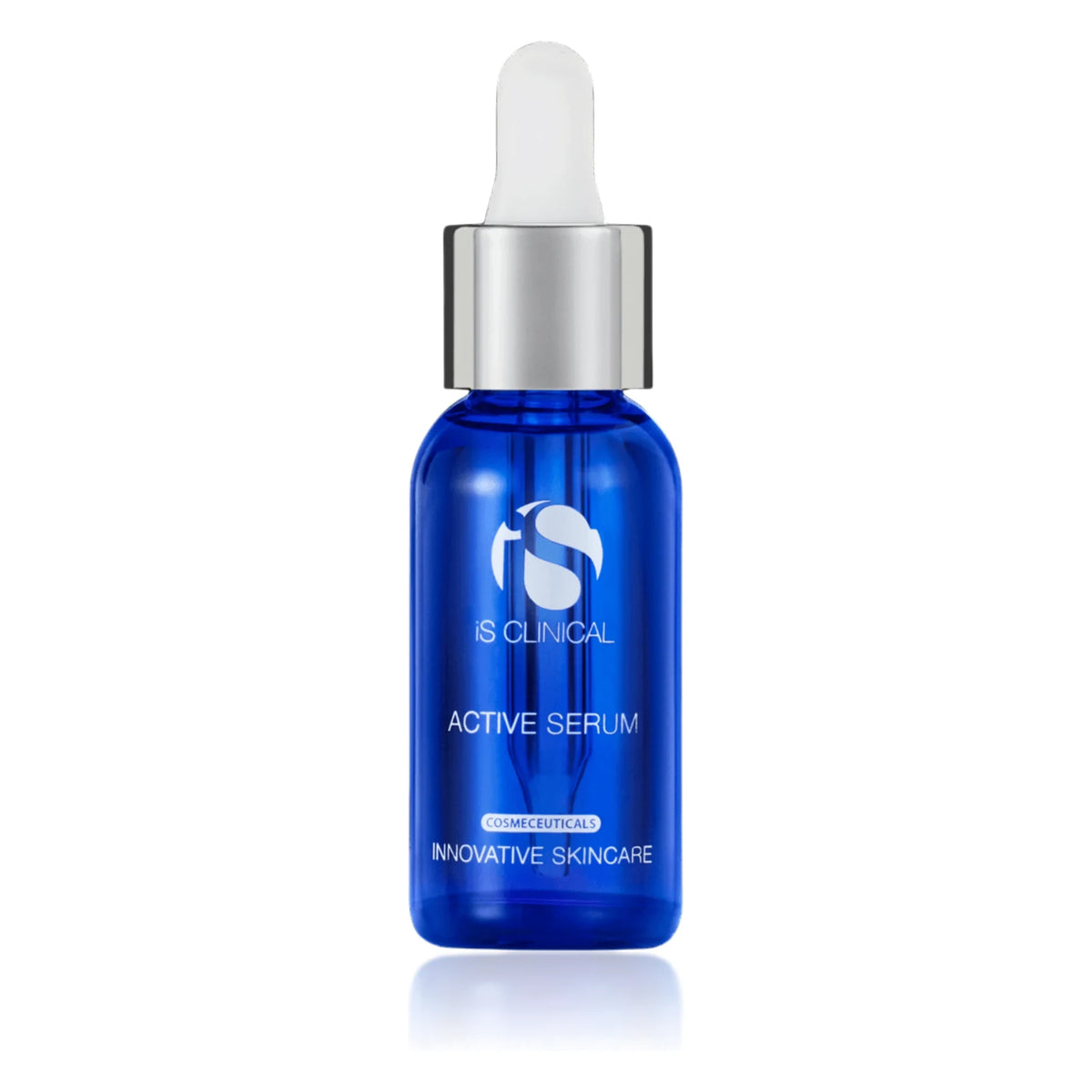
Serums can deliver targeted collagen stimulation, firming and protection - growth factors and peptides in serum form reach deeper skin layers than any cream. The iS Clinical Active Serum has been our best-selling product for years. It combines glycolic acid, salicylic acid and arbutin in one formula and can clarify blemishes, brighten the complexion and accelerate skin renewal at the same time. One serum, several effects.
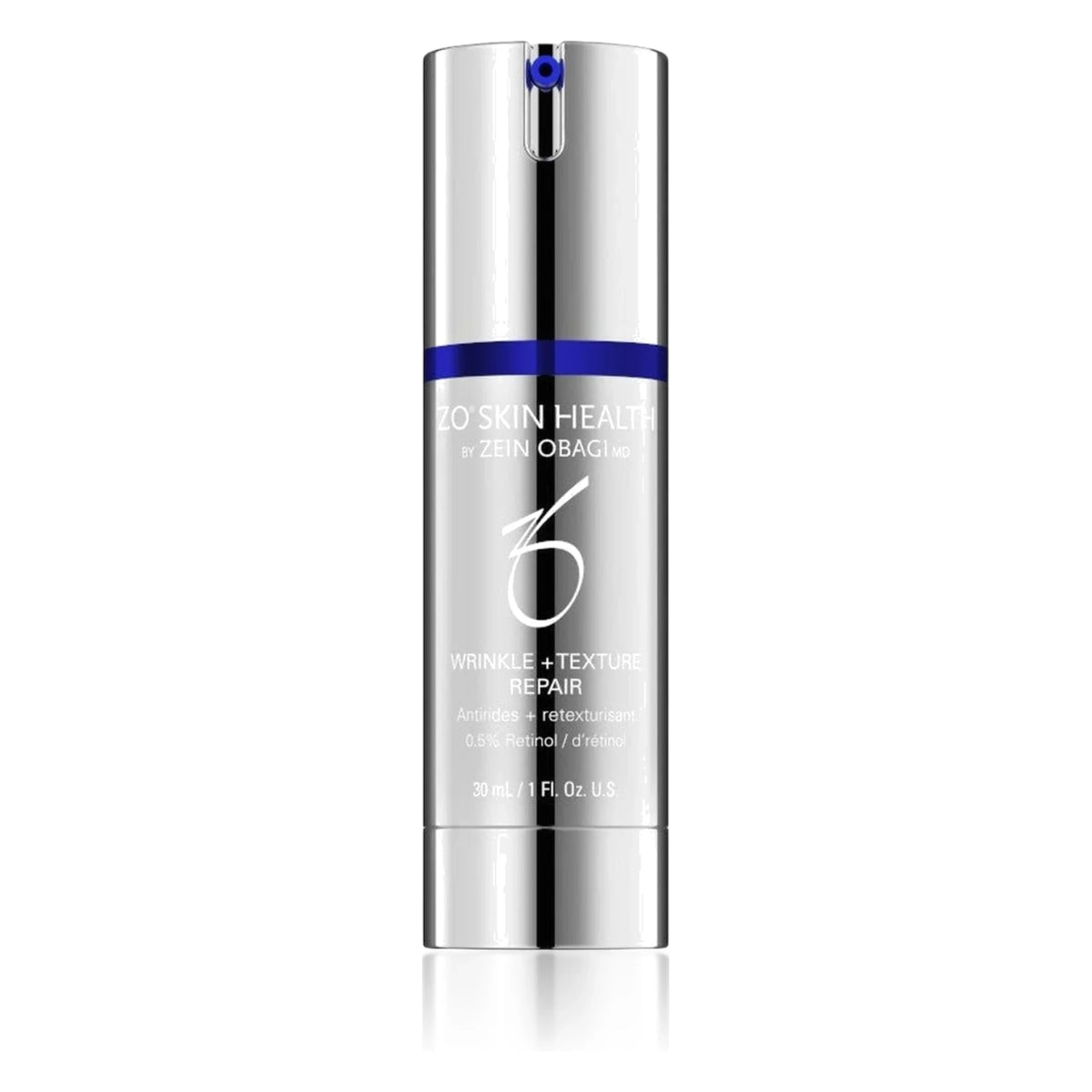
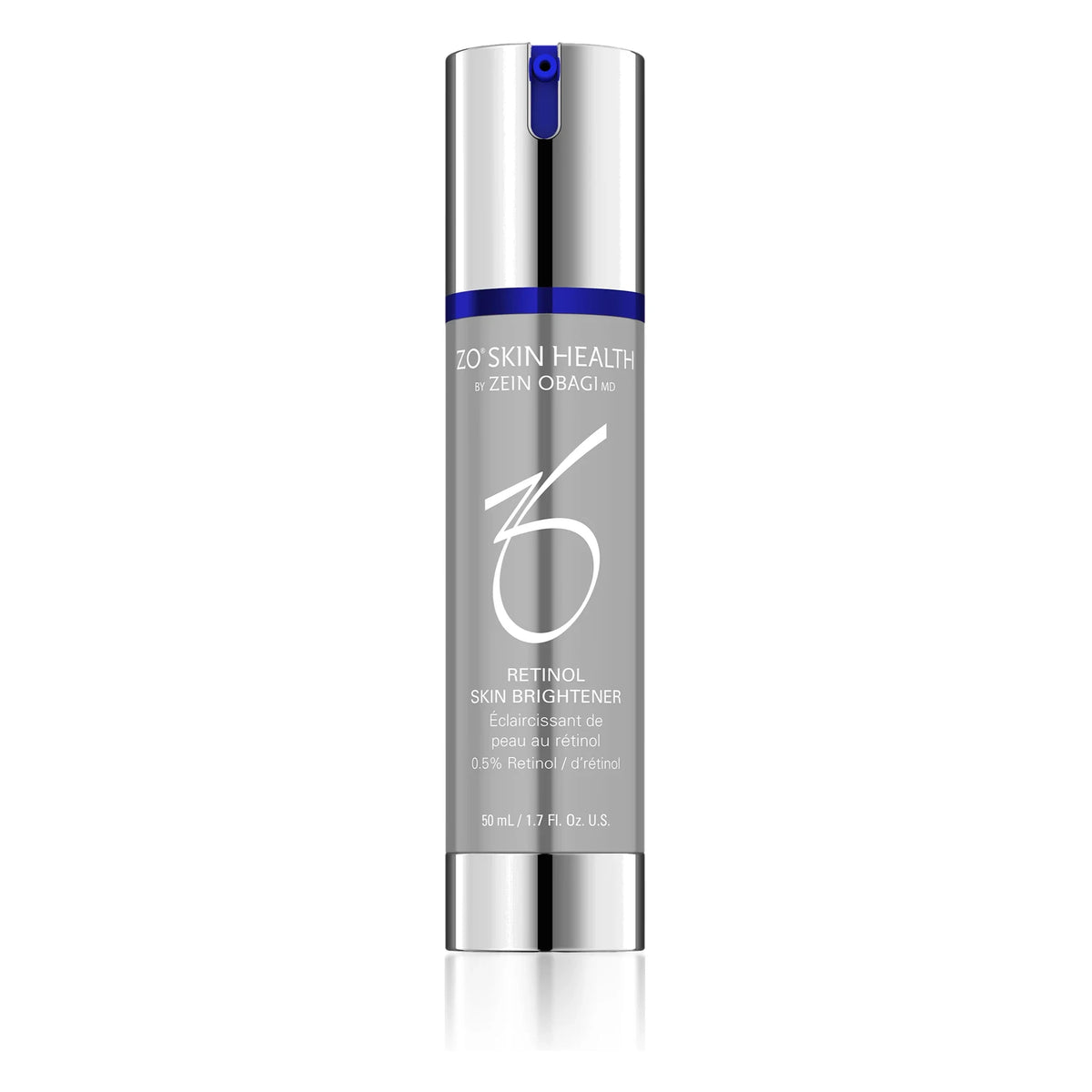
For anti-ageing, most of our customers rely on retinol serums. The ZO Skin Health Retinol Skin Brightener line offers three concentrations (0.25%, 0.5%, 1%), so you can start with the lowest and work your way up. The mesoestetic Skinretin line combines retinol with bakuchiol for better tolerance.
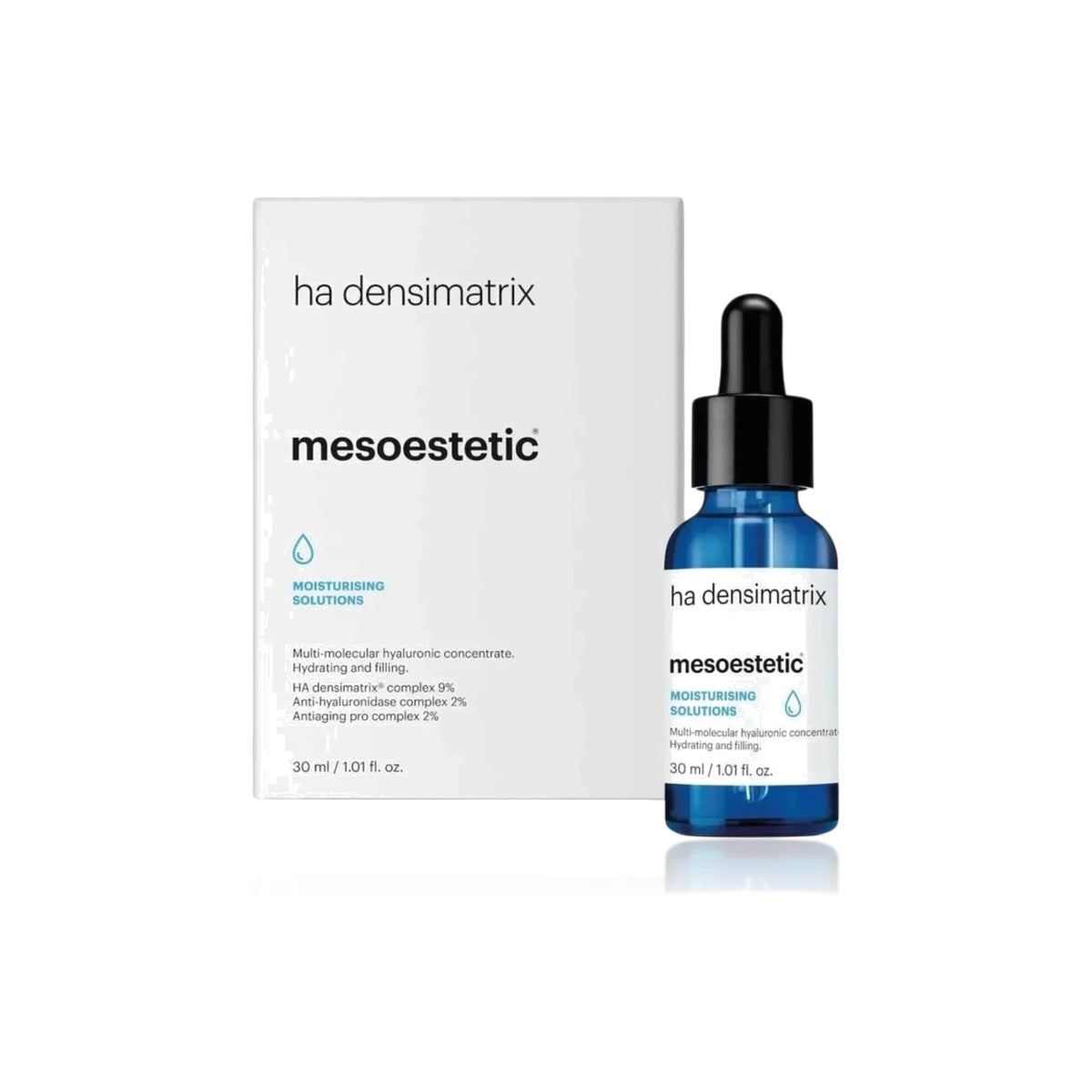
For moisture without a greasy film, the mesoestetic HA Densimatrix is a good choice - multi-molecular hyaluronic acid that binds moisture on different skin levels at the same time. The mesoestetic AOX Ferulic combines ferulic acid with vitamin C and E as an antioxidant trio.
Serums are applied after the toner and before the cream. They absorb best on slightly damp skin. With several serums: the thinnest first.
In our skincare studio in Cologne the most common question is: which serum first? Dr. med. Niels Freitag recommends: start with an active that targets your main concern. Don't introduce three serums at once, but one after the other, so you can see what works and what your skin tolerates.
Related categories: Serums follow toners & pads and complement the moisturising care. You'll find specific actives under retinol and vitamin C.
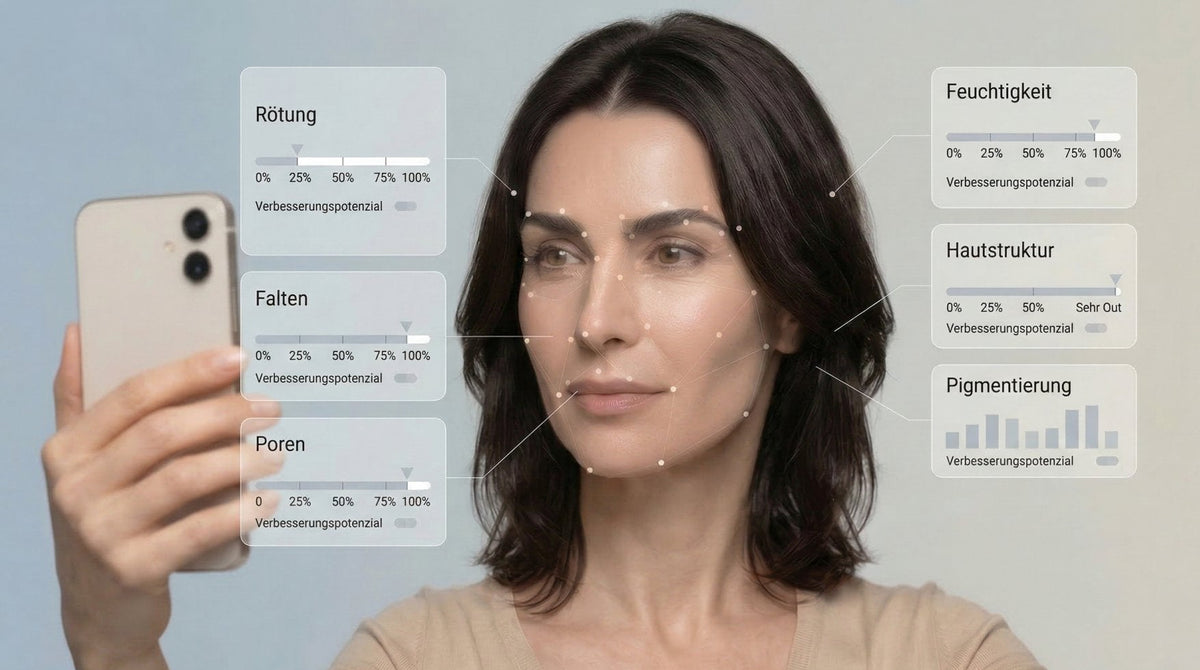
Not sure where to start?
One photo is enough. Our AI skin analysis identifies your skin type, analyses problem areas and recommends products suited to your skin. Free, instant, no appointment.
Prefer personal advice? Our skin experts are here for you by email, phone and video call.
Frequently asked questions about facial serums
What's the difference between a serum and a cream?
A serum has a lighter texture, smaller molecule sizes and higher active concentrations than a cream. It penetrates deeper into the skin and delivers actives in a more targeted way. A cream seals the skin surface and holds moisture in. The two complement each other.
In what order do I apply serums?
After cleansing and the toner, before the cream. If you use several serums: the thinnest first, the thickest last. Vitamin C in the morning, retinol in the evening. Let each serum absorb briefly before the next.
Which serum do you recommend to start with?
For blemished skin: iS Clinical Active Serum. For anti-ageing: ZO Skin Health Daily Power Defense or mesoestetic Skinretin 0.3%. For moisture: mesoestetic HA Densimatrix. For brightening: iS Clinical Brightening Serum. Our free AI skin analysis helps you choose.
Can I mix different serums?
Within one system this is usually unproblematic. When mixing different brands you should be more careful. Retinol and vitamin C can weaken each other if applied at the same time. Solution: vitamin C in the morning, retinol in the evening.
How long does it take for a serum to show results?
Hyaluronic acid serums provide moisture immediately. Vitamin C needs about 4 weeks for visible brightening. Retinol shows first results after 6 weeks (one keratinocyte cycle), full effect after 3-4 cycles (18-24 weeks).