


Which facial scrub is right for you?
Not all peelings are created equal. Mechanical peelings (scrubs) with granules can irritate the skin and cause micro-injuries. Chemical peelings dissolve the connections between skin cells - more gently, more evenly, and without scrubbing. Chemical peelings have become well-established in medical skincare.
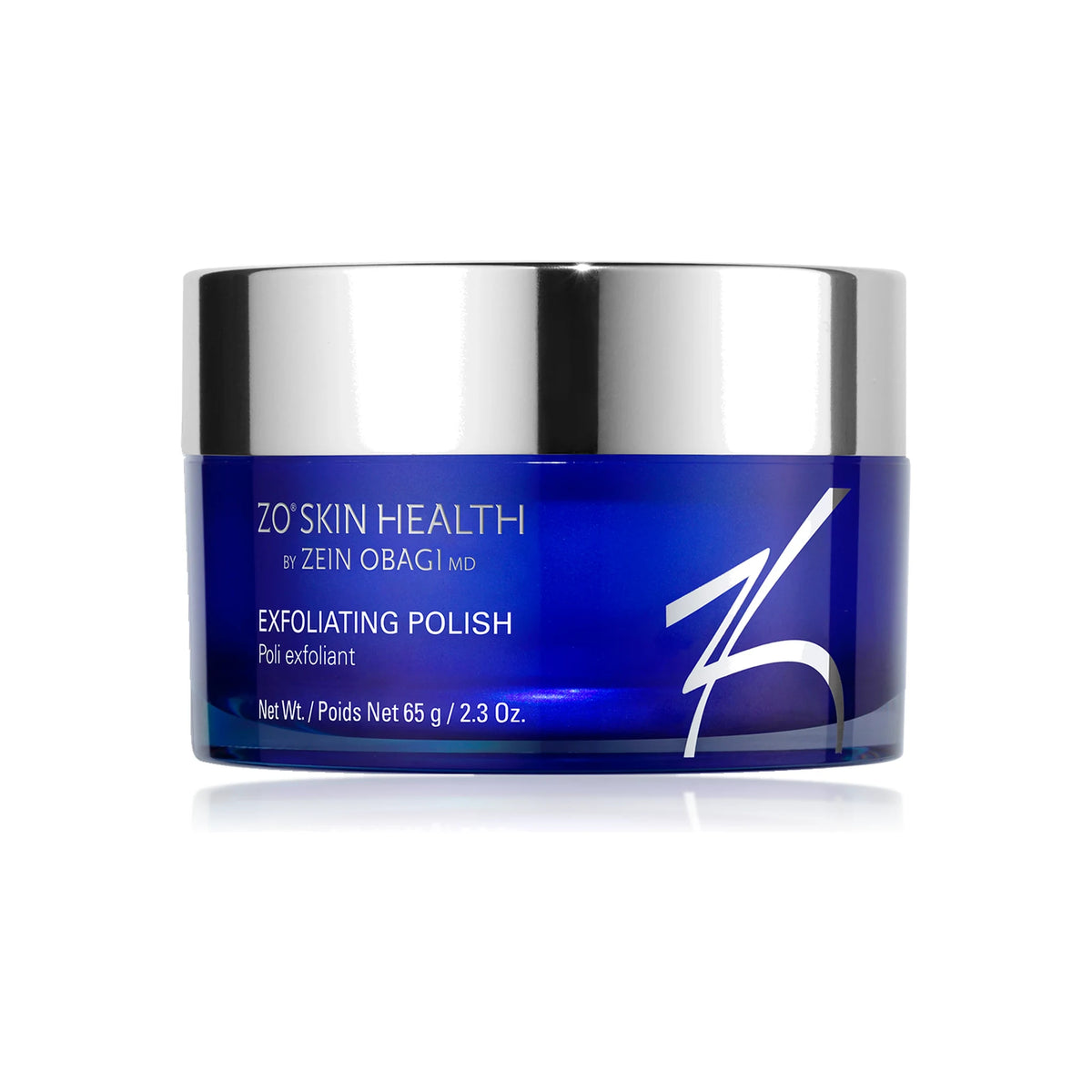
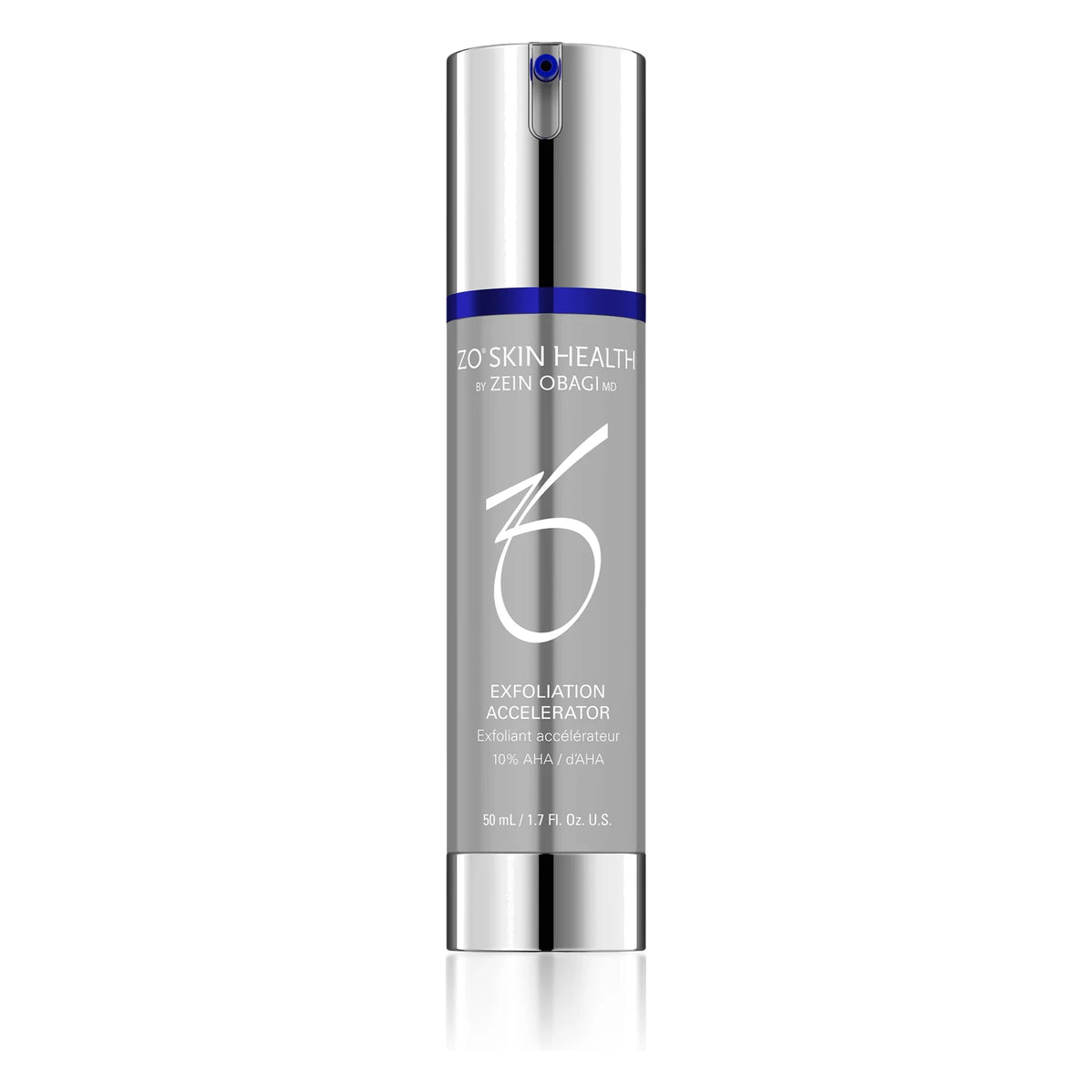
The ZO Skin Health Exfoliating Polish combines both approaches: ultra-fine magnesium oxide crystals for the mechanical component, plus vitamin E and wax esters for nourishment. No abrasive sandpaper sensation, but controlled exfoliation.
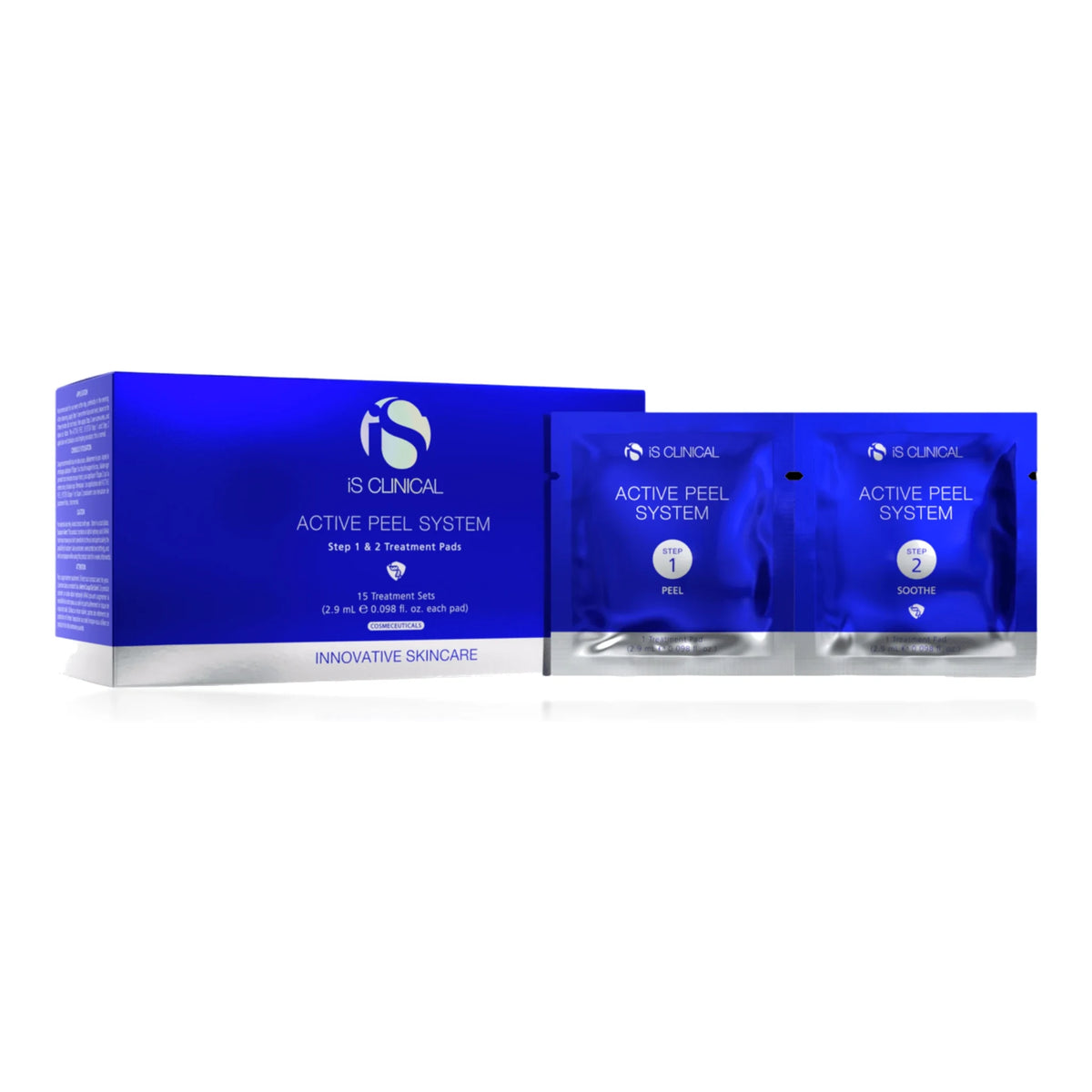
For sensitive skin, the iS Clinical Tri-Active Exfoliating Masque is suitable - an exfoliating mask that also nourishes. For those who want more intense results, the iS Clinical Active Peel System can be used - a professional at-home peeling set with glycolic acid and lactic acid in graduated concentrations.
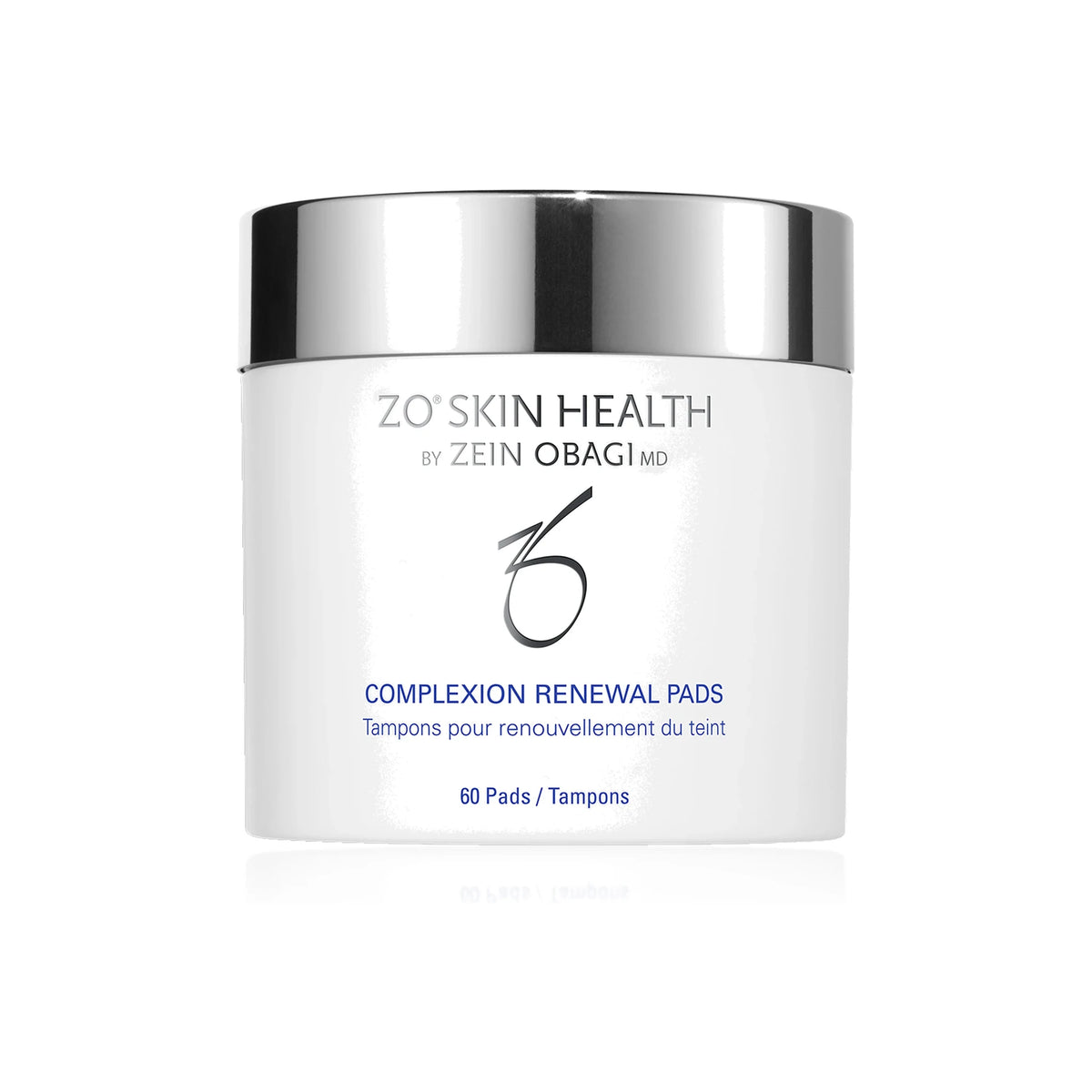
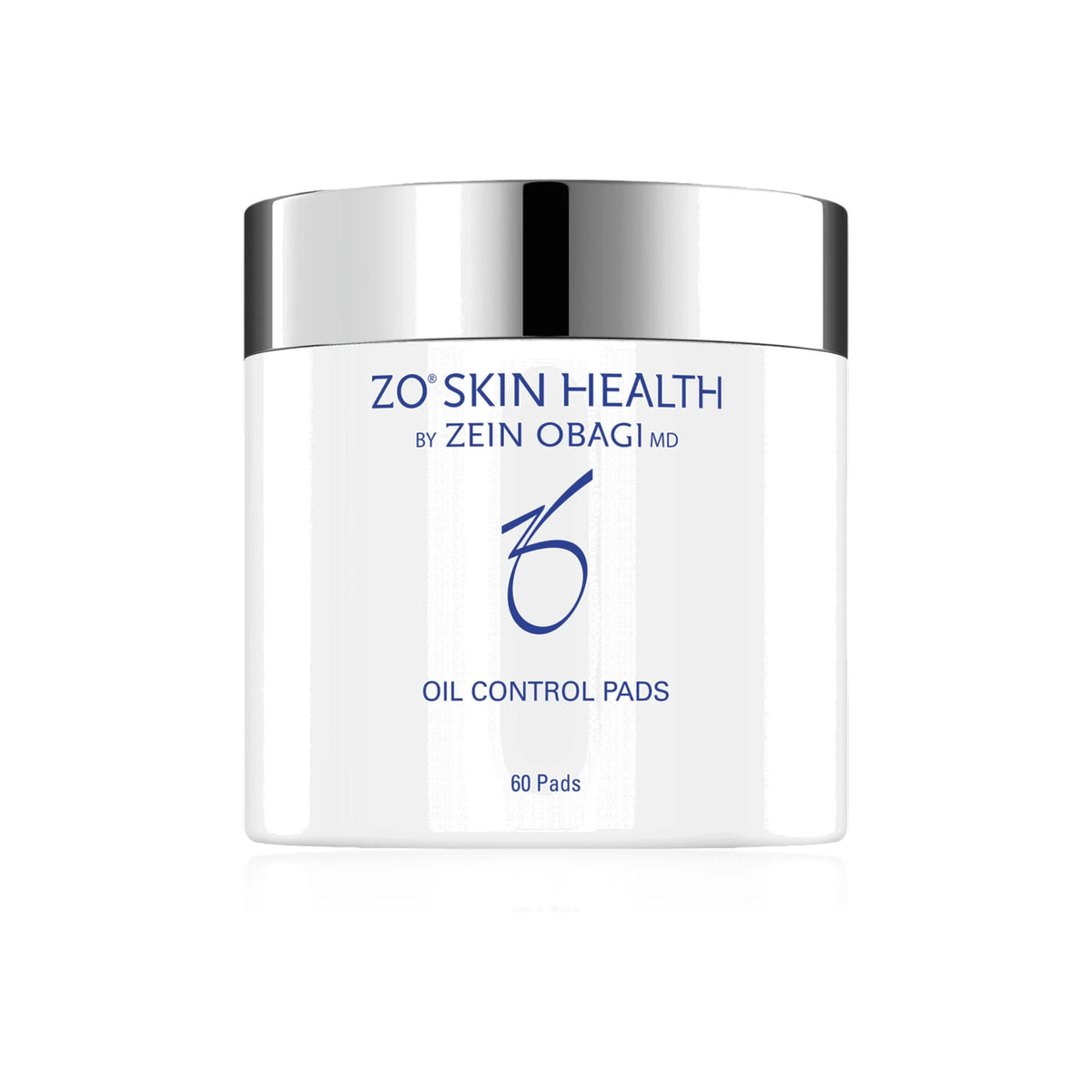
Peeling pads for daily exfoliation: The ZO Skin Health Complexion Renewal Pads contain glycolic acid and salicylic acid on a pre-soaked pad - simply wipe over the face once in the evening, do not rinse off. The Oil Control Pads also control excess sebum. Both are more convenient than a classic peeling because no rinsing is necessary.
Important: Sun protection is mandatory after every peeling. Freshly exfoliated skin is more sensitive to UV radiation. Without sun protection, you risk hyperpigmentation - exactly the opposite of what the peeling is supposed to achieve.
At our beauty studio in Cologne, we always start customers who have never used a chemical peeling with the lowest concentration. The skin needs to get used to acids - too much too soon leads to irritation instead of results. Dr. Niels Freitag recommends the ZO Complexion Renewal Pads or the iS Clinical Active Peel System at the lowest level as an introduction.
Related categories: Peelings complement cleansing. The next step in the routine is the toning stage with toners and pads, followed by serums & boosters. For pigmentation concerns, also check out hyperpigmentation care.
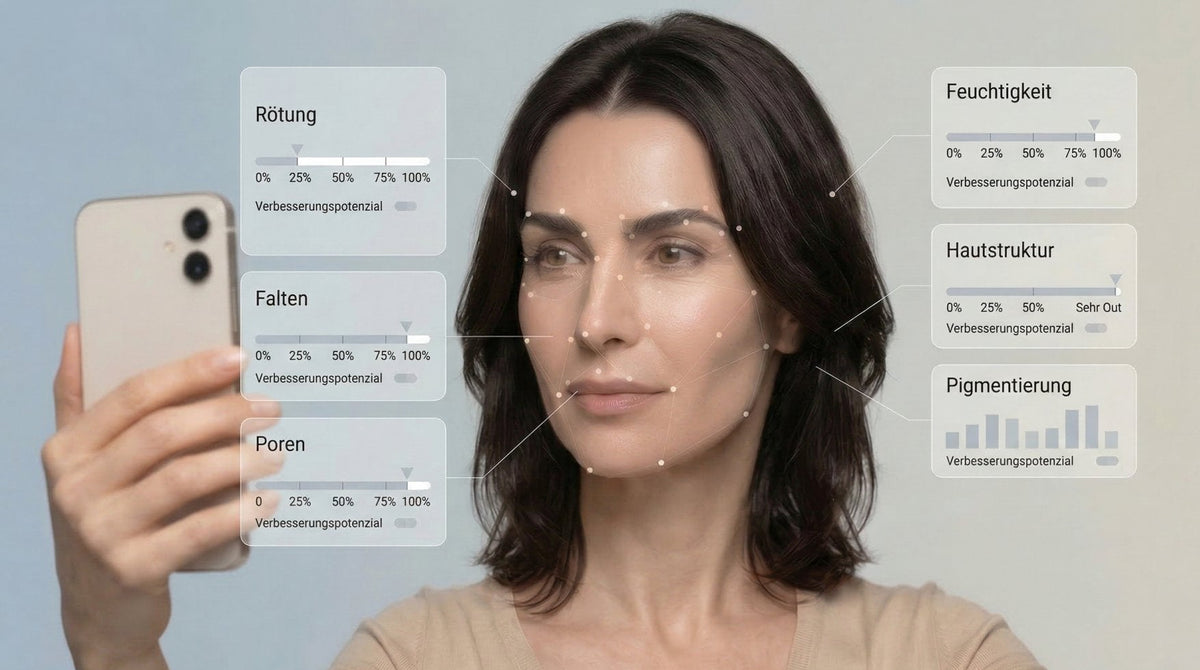
Not sure where to start?
One photo is enough. Our AI skin analysis identifies your skin type, analyses problem areas and recommends products suited to your skin. Free, instant, no appointment.
Prefer personal advice? Our skin experts are here for you by email, phone and video call.
Frequent questions about facial peels
Which is better: mechanical or chemical exfoliation?
For most skin types, chemical peels are the better choice. Acids like glycolic acid (AHA) and salicylic acid (BHA) evenly dissolve dead skin cells without mechanically irritating the skin. Mechanical peels with fine particles (such as the ZO Exfoliating Polish) can be a useful supplement.
How often should I use a face scrub?
Mild chemical peels (such as ZO Complexion Renewal Pads) can be used daily. More intensive peels (such as the iS Clinical Active Peel System) should only be used once or twice a week. For sensitive skin, start with once a week.
Can I use a peel with retinol?
Yes, but not on the same evening. Retinol already exfoliates, and an additional peel on the same day can overwhelm the skin. The combination works well if you alternate peeling and retinol on different evenings.
Do I need sunscreen after exfoliation?
Absolutely. After a peel, the upper skin layer is thinner and more sensitive to UV. Without sun protection, hyperpigmentation can occur. Use at least SPF 30, preferably SPF 50.
What is the iS Clinical Active Peel System?
A professional peeling set for home use. It contains glycolic acid and lactic acid in various concentrations, plus a neutralizer. You start with the lowest concentration and work your way up.