

2 sizes




All Calm Clinical Redness Corrector SPF 50

All Calm Multi-Correction Serum


Glycolic acid: how AHA exfoliation renews your skin
Glycolic acid is the smallest AHA with the highest penetration ability. It dissolves the bonds between dead skin cells on the surface (comedolytic effect), accelerates cell renewal and can stimulate collagen production in deeper skin layers.
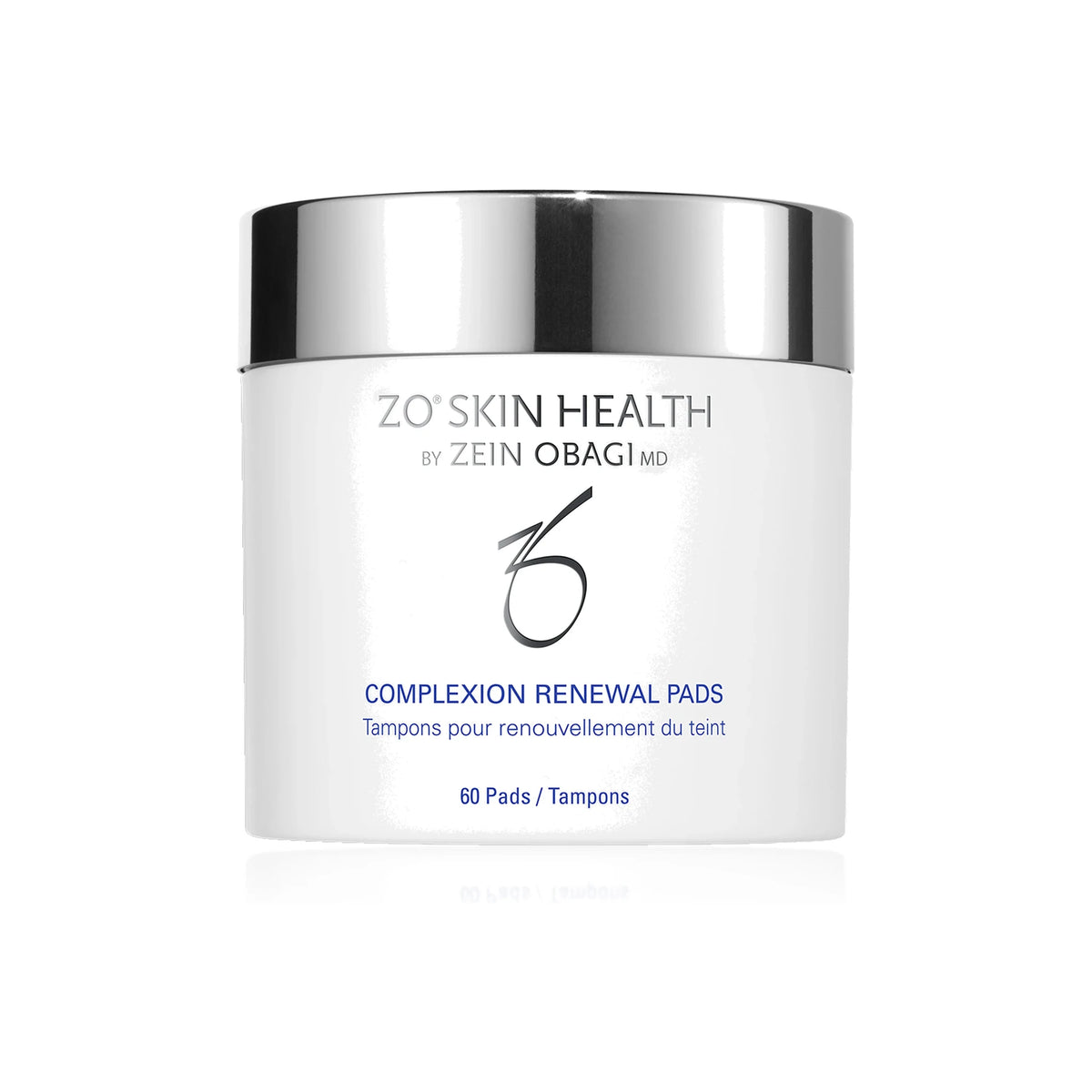
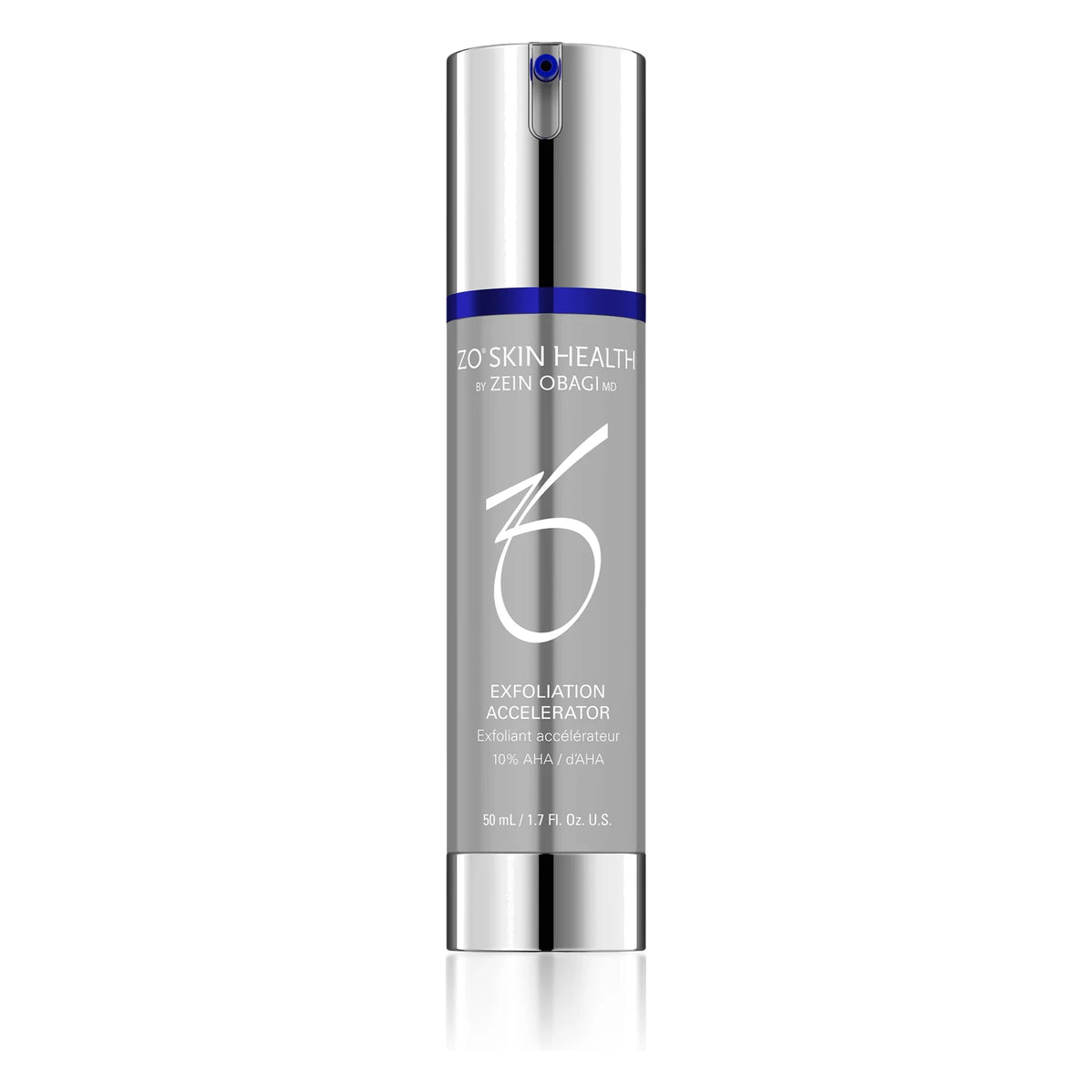
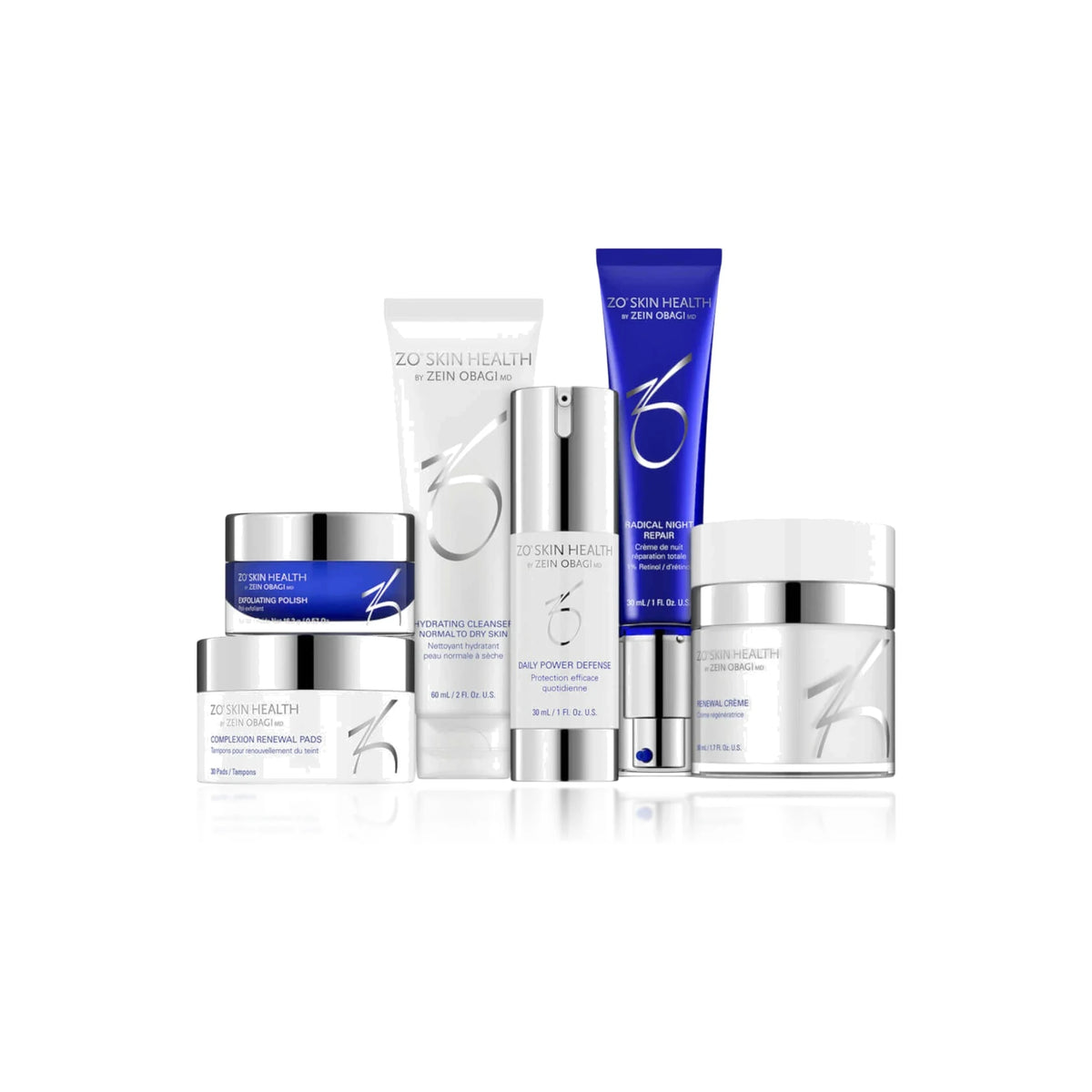
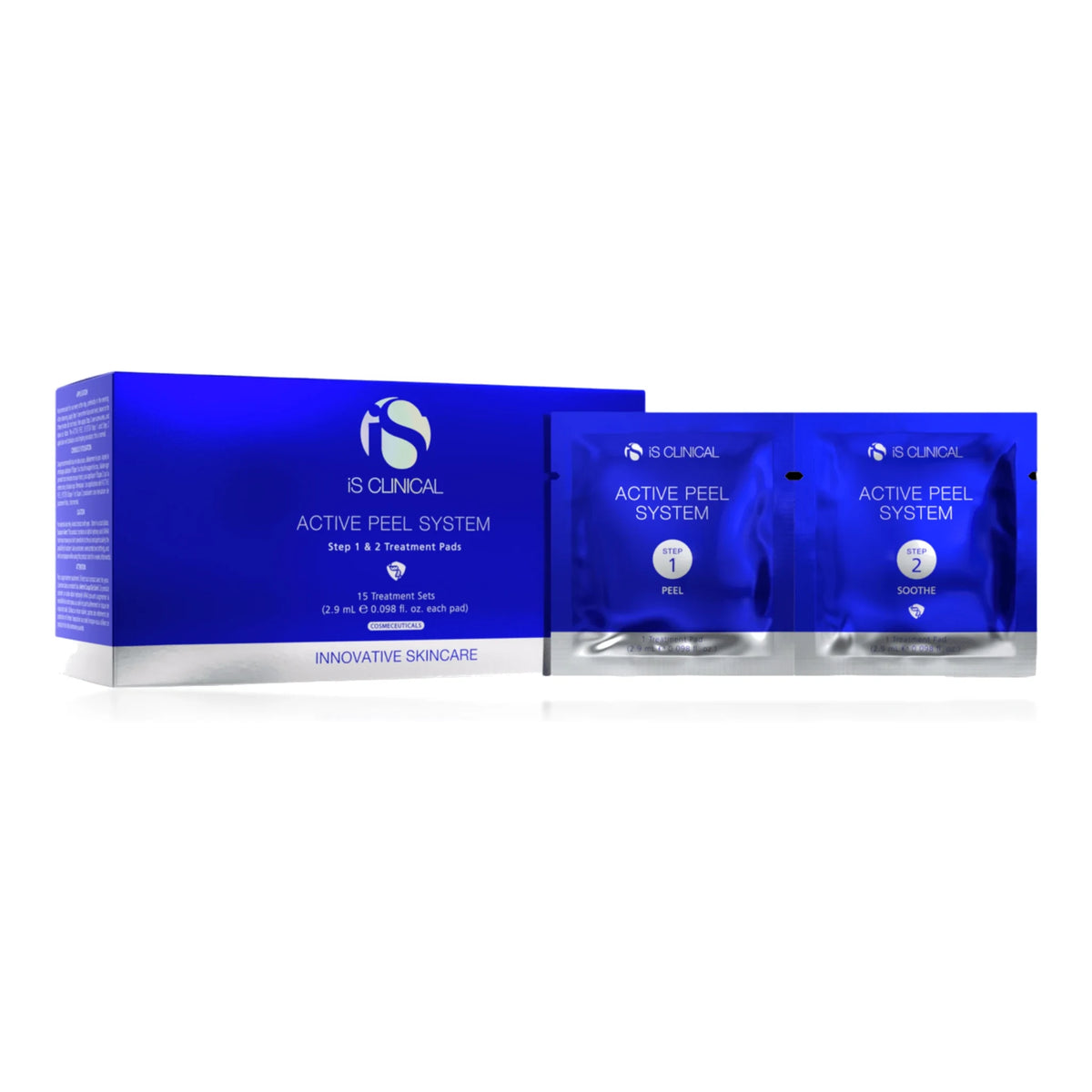
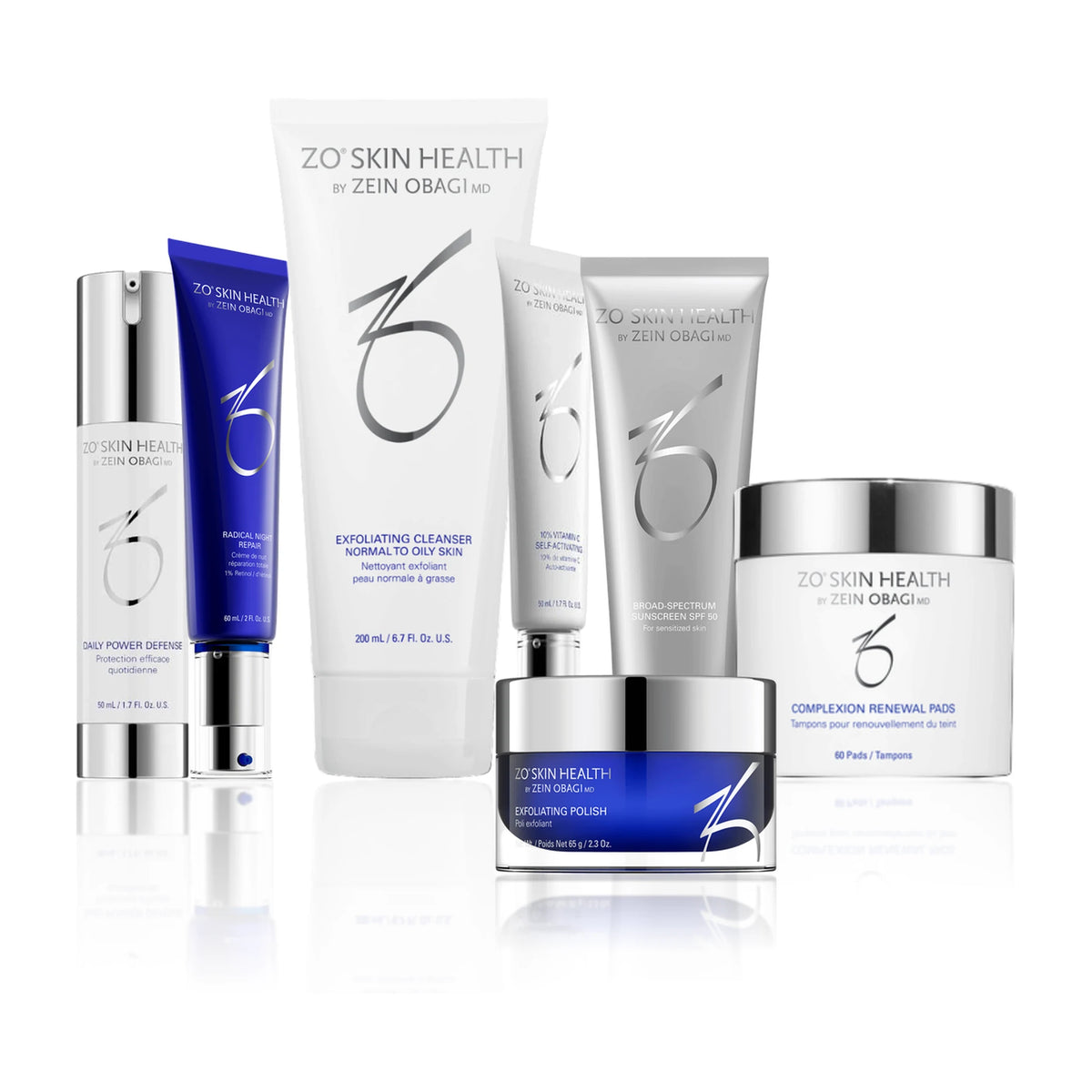
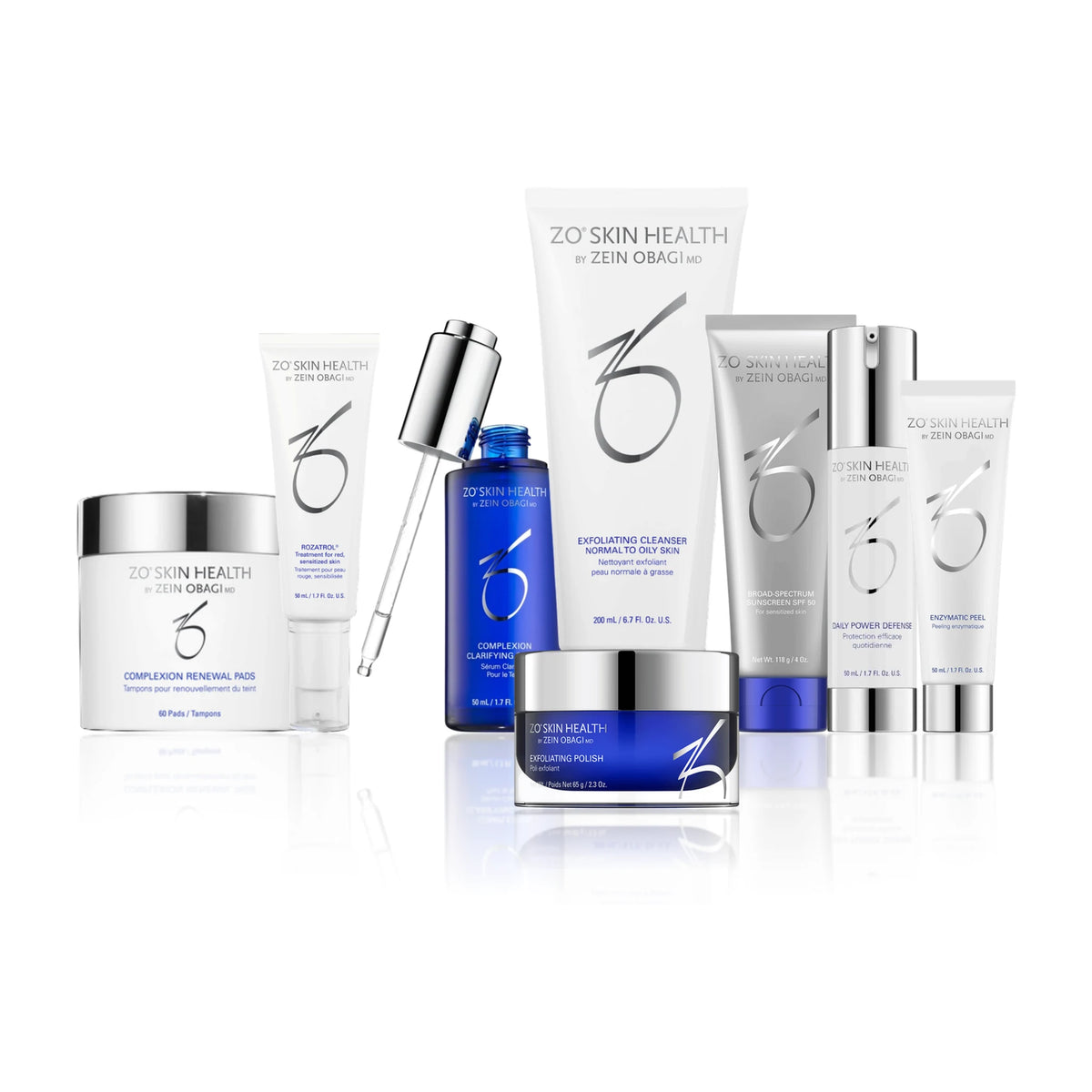
The ZO Skin Health Complexion Renewal Pads and the Exfoliation Accelerator are the most frequently used glycolic acid products in our range. The pads deliver daily, mild AHA/BHA dual exfoliation (glycolic acid combined with salicylic acid), the Accelerator is a concentrated peel serum. The iS Clinical Active Peel System offers a two-step peel with fruit acid extracts and salicylic acid for home use.
In our skincare studio in Cologne we always start glycolic acid at the lowest concentration. Dr. med. Niels Freitag regularly sees customers who have used concentrations that were too high from other providers and come in with irritated, over-exfoliated skin. At the start, less is more.
Related categories: Glycolic acid belongs to the exfoliation category. It combines well with hyaluronic acid (replenishing moisture after exfoliation) and needs a strong sun protection.
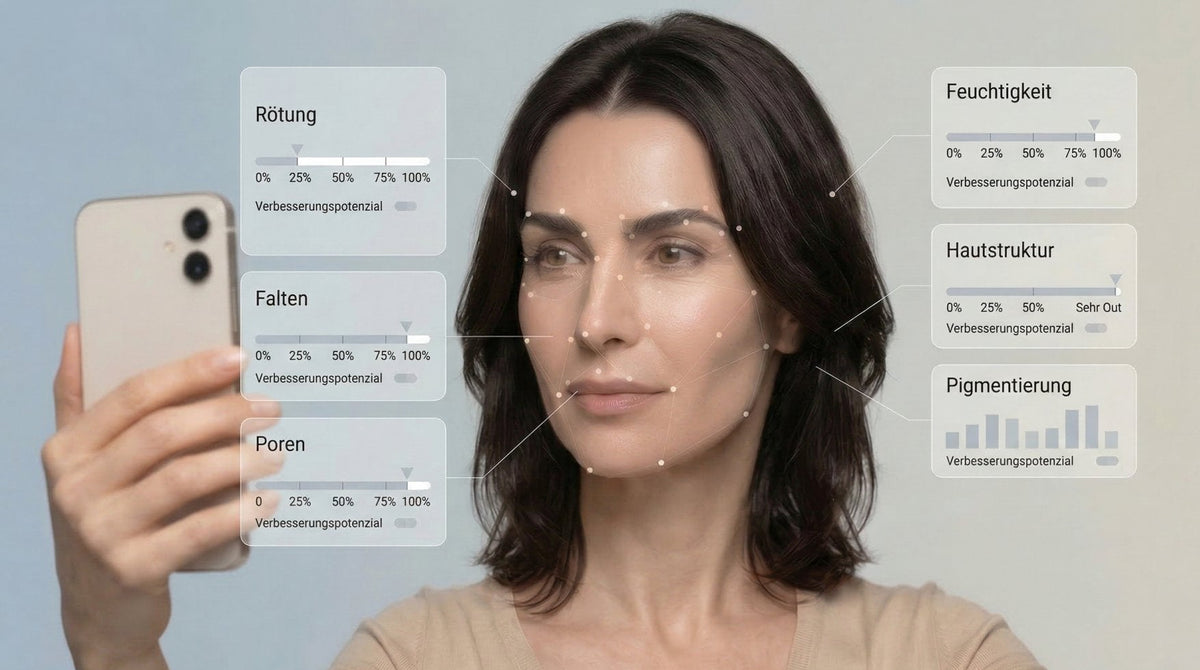
Not sure where to start?
One photo is enough. Our AI skin analysis identifies your skin type, analyses problem areas and recommends products suited to your skin. Free, instant, no appointment.
Prefer personal advice? Our skin experts are here for you by email, phone and video call.
Frequently asked questions about glycolic acid
What's the difference between AHA and BHA?
AHAs (glycolic acid, lactic acid) are water-soluble and work on the skin surface - ideal for dull skin, fine lines and pigment spots. BHA (salicylic acid) is oil-soluble and penetrates into the pore - ideal for blemishes and blackheads. For oily, blemished skin, BHA is the first choice. For dull, dry or mature skin, AHA is more effective.
How often should I use glycolic acid?
Mild products (pads, cleansers with a low percentage) can be used daily. Concentrated peels (like the iS Clinical Active Peel System) at first every two to three evenings. With retinol in your routine: don't use glycolic acid and retinol on the same evening.
Is glycolic acid suitable for sensitive skin?
Glycolic acid can irritate sensitive skin, especially at higher concentrations. Lactic acid is the gentler AHA alternative. With sensitive skin, start at the lowest concentration and watch how it reacts.
Do I need sun protection after glycolic acid?
Yes, always. AHA peels make the skin more sensitive to UV. Without sun protection after a glycolic acid peel you risk pigment spots - exactly the opposite of the desired effect. At least SPF 50.
Can I combine glycolic acid with vitamin C?
In principle yes, but both are acidic and can irritate together. Better to separate them in time: glycolic acid in the evening, vitamin C in the morning. Or use them on different days.