



What helps with dry skin?
Dry skin develops when the skin produces less sebum than it needs or its natural moisture binding is disrupted. Typical triggers: cold air, low humidity, showering too hot, aggressive cleansing and certain medications. The right facial care for dry skin works on two levels. With age, sebum production naturally decreases.
Good care for dry skin works on two levels: binding moisture and sealing moisture in. Hyaluronic acid (a natural moisture reservoir of the skin) draws water into the upper skin layers. Ceramides and rich oils form a protective film on the skin and support barrier repair. Peptides and DNA-repair enzymes in products like the ZO Skin Health Daily Power Defense complement moisturising care by supporting cell regeneration.
The iS Clinical Hydra-Cool Serum combines hyaluronic acid with soothing botanical actives. The mesoestetic Hydra-Vital Factor K is a rich cream for very dry skin. The ZO Skin Health Recovery Crème is particularly suited to the recovery phase after professional treatments.
For dry skin too: don't forget sun protection. UV radiation further damages the already weakened skin barrier. Mineral sun protection from Colorescience protects without drying out the skin.
In our skincare studio in Cologne we often see customers who suffer from dry skin despite rich care. The reason is frequently a lack of moisture, not lipids. That's why we almost always recommend combining a hyaluronic acid serum with a cream - not just a heavy cream on its own.
Related skin topics: If your dry skin also reacts sensitively, you'll find suitable products under sensitive skin. With tightness and irritation, a weakened skin barrier can also be the cause. Gentle acids like lactic acid can improve the skin's moisture uptake without irritating it.
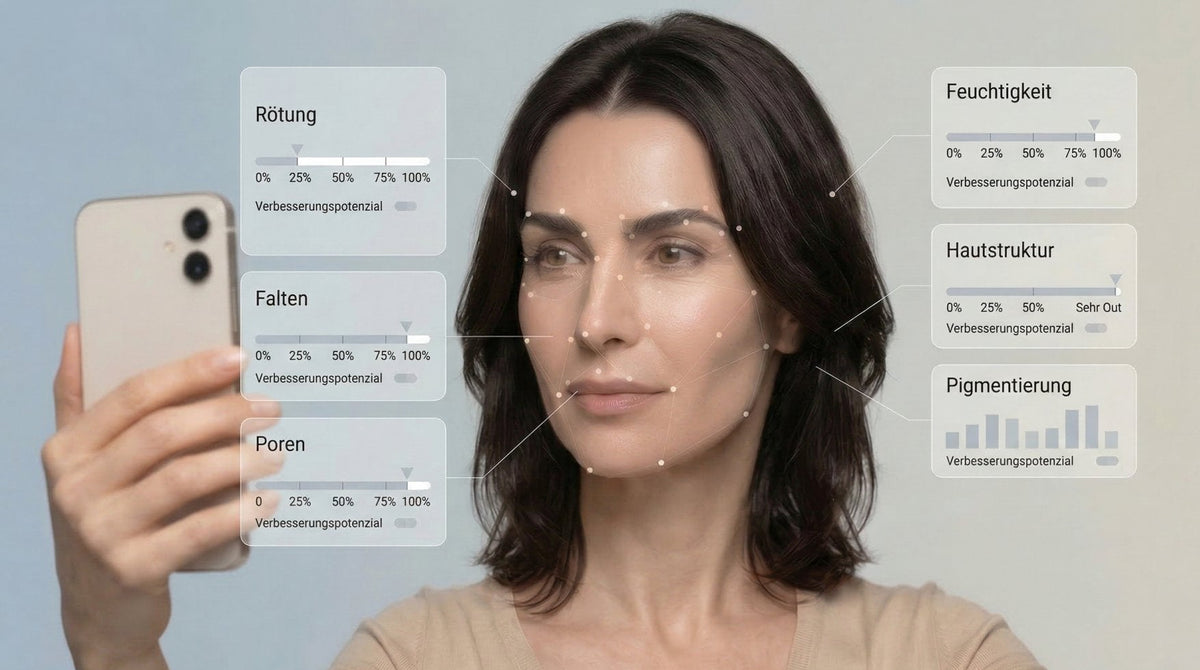
Not sure where to start?
One photo is enough. Our AI skin analysis identifies your skin type, analyses problem areas and recommends products suited to your skin. Free, instant, no appointment.
Prefer personal advice? Our skin experts are here for you by email, phone and video call.
Frequently asked questions about dry skin
Which cream is best for very dry skin?
For very dry skin you need a combination of moisture and lipids. A serum with hyaluronic acid under a rich cream is often more effective than a single heavy cream.
The iS Clinical Hydra-Cool Serum provides moisture, the mesoestetic Hydra-Vital Factor K seals it in. The two complement each other well.
What do dermatologists recommend for dry skin?
For dry skin, dermatologists recommend care with ceramides, hyaluronic acid and urea - in different concentrations depending on severity.
These recommendations reflect the current state of dermatology. Also important: don't shower too hot, use mild cleansers and moisturise the skin right after washing, while it's still slightly damp.
Why does dry skin itch?
Itching with dry skin occurs because the natural protective barrier is weakened. Irritants and allergens can penetrate more easily and activate nerve fibres in the skin.
Consistent moisturising care can ease the itching. If the itching is severe or doesn't subside, a visit to the dermatologist is advisable - there could be an underlying cause that needs treatment.
Dry or dehydrated skin - what's the difference?
Dry skin is a skin type - it permanently produces less sebum. Dehydrated skin is a temporary state - any skin type can be dehydrated, including oily skin.
Dry skin needs lipids (oils, ceramides). Dehydrated skin needs water (hyaluronic acid, glycerin). Often the skin needs both - which is why we recommend a serum plus cream.
Can diet affect dry skin?
Yes. Too little fluid, a lack of omega-3 fatty acids (fish, linseed oil, walnuts) or vitamin E can promote dry skin. Alcohol and caffeine in large amounts also draw moisture from the skin.
Diet alone doesn't replace skincare, but it forms the foundation. External care can only support what's available in nutrients from within.