Does your skin get shiny quickly, and can you clearly see the pores on your nose and forehead? Then salicylic acid can be a useful addition to your care. It dissolves in fat and so gets to where sebum and old skin cells collect.
The key points in brief
- Salicylic acid dissolves in fat and so reaches all the way into the pores.
- With it, old cells on the surface come away more easily.
- With pads, you start with one pad a day and increase slowly.
- Salicylic acid can make the skin more sensitive to light, so sun protection belongs to your daytime routine.
What does salicylic acid do in the skin?
The top layer of your skin is built like a wall. The bricks are horny cells, that is, old, flat cells. In between sits a kind of mortar that holds them together.
Salicylic acid loosens this mortar. The old cells then come away more easily. This can contribute to smoother skin.
The second point is fat. Glycolic acid dissolves in water, salicylic acid dissolves in fat. So it mixes with sebum, that is, the fat in your pores, and gets inside the pore.
Salicylic acid for sebum-rich and combination skin
Salicylic acid suits you if your skin is sebum-rich or you have combination skin.
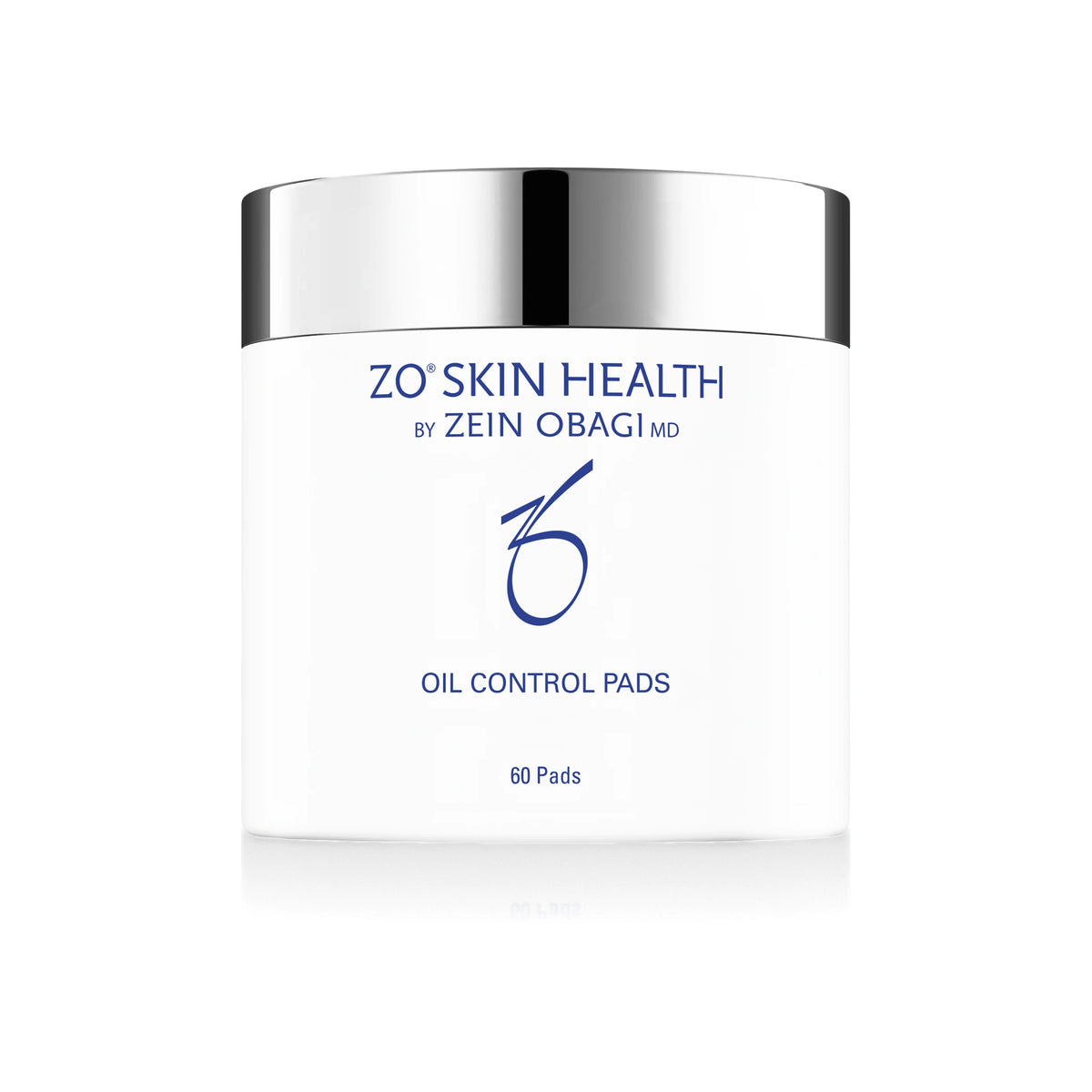
It also has its place for blemish-prone skin, for example in the Oil Control Pads. And for skin that feels rough in some areas.
You can start small: a cleanser with salicylic acid only stays on the skin briefly. A pad or a serum stays on and is the next step.
When you are better off without salicylic acid
If your skin is dry or sensitive, start slowly. If it reacts with strong irritation, use the product less often or take a break.
You should not use salicylic acid at all if you are hypersensitive to salicylates. Broken or inflamed skin is also off limits. It is not intended for children under 3 years.
Pregnancy and breastfeeding: please consult your doctor.
Using salicylic acid pads and serum
- Cleanse your face and pat it dry.
- Take a pad and sweep it over your face and neck. Avoid the eyes. Do not rinse off.
- If you use a serum, gently pat a small amount into the skin.
- Then follow with your cream.
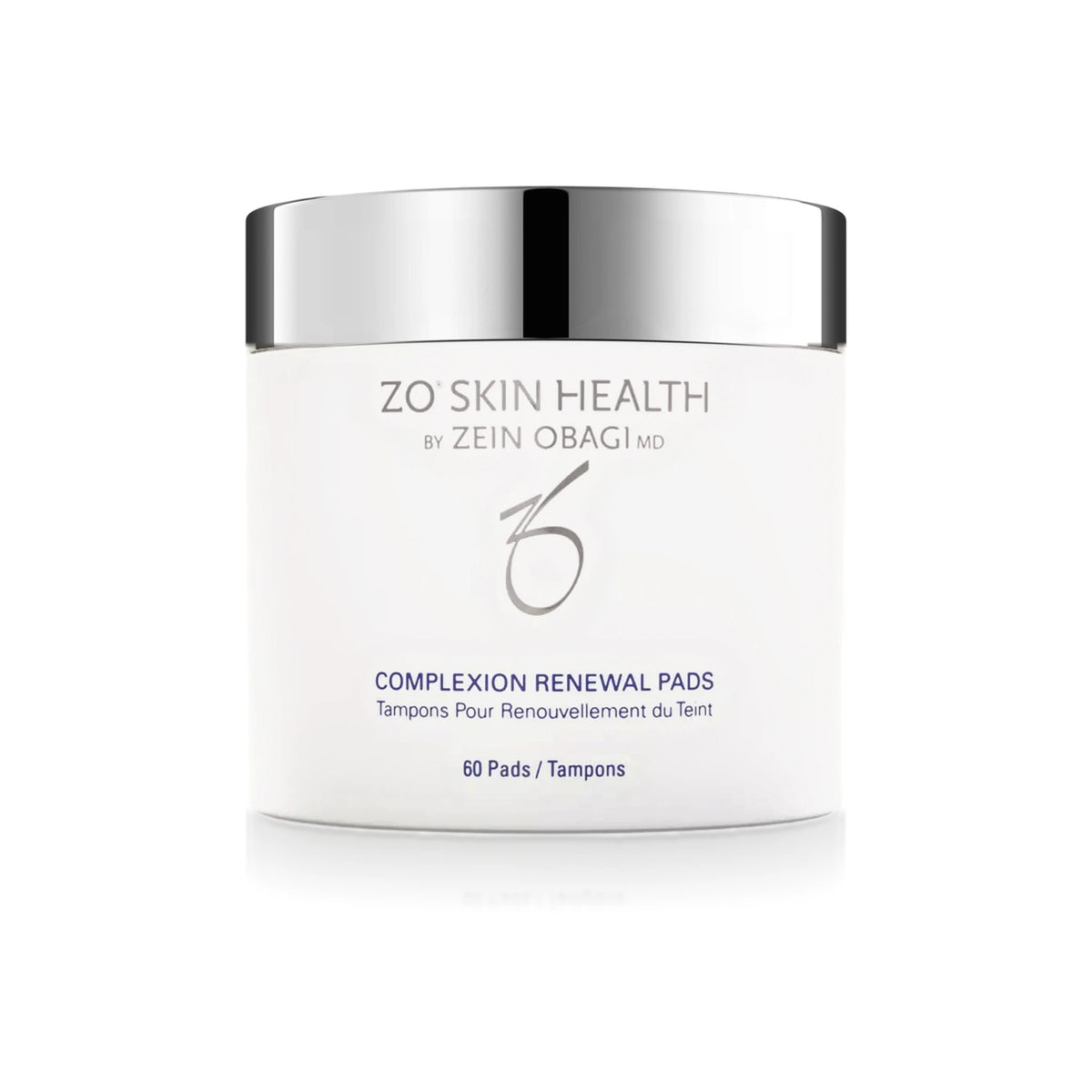
- With the pads, you start with one pad a day, with the Complexion Renewal Pads in the evening. If your skin stays calm, you increase to morning and evening.
- In the morning, sun protection comes last. For the Complexion Renewal Pads, the manufacturer states sun protection factor 30 or higher.
All four products below carry the warning that they can make the skin more sensitive to light. With the Oil Control Pads, sun protection also applies for one week after use, and the manufacturer advises limiting time in the sun and wearing protective clothing.
With the serum, a slight tingling is normal according to the directions for use. If your skin becomes dry or flaky with the Oil Control Pads, use them only once a day or every other day, according to the directions for use.
Combining salicylic acid: what works, what does not
Good together:
- Glycolic acid: it works on top of the skin, salicylic acid in the pores. The Complexion Renewal Pads contain both.
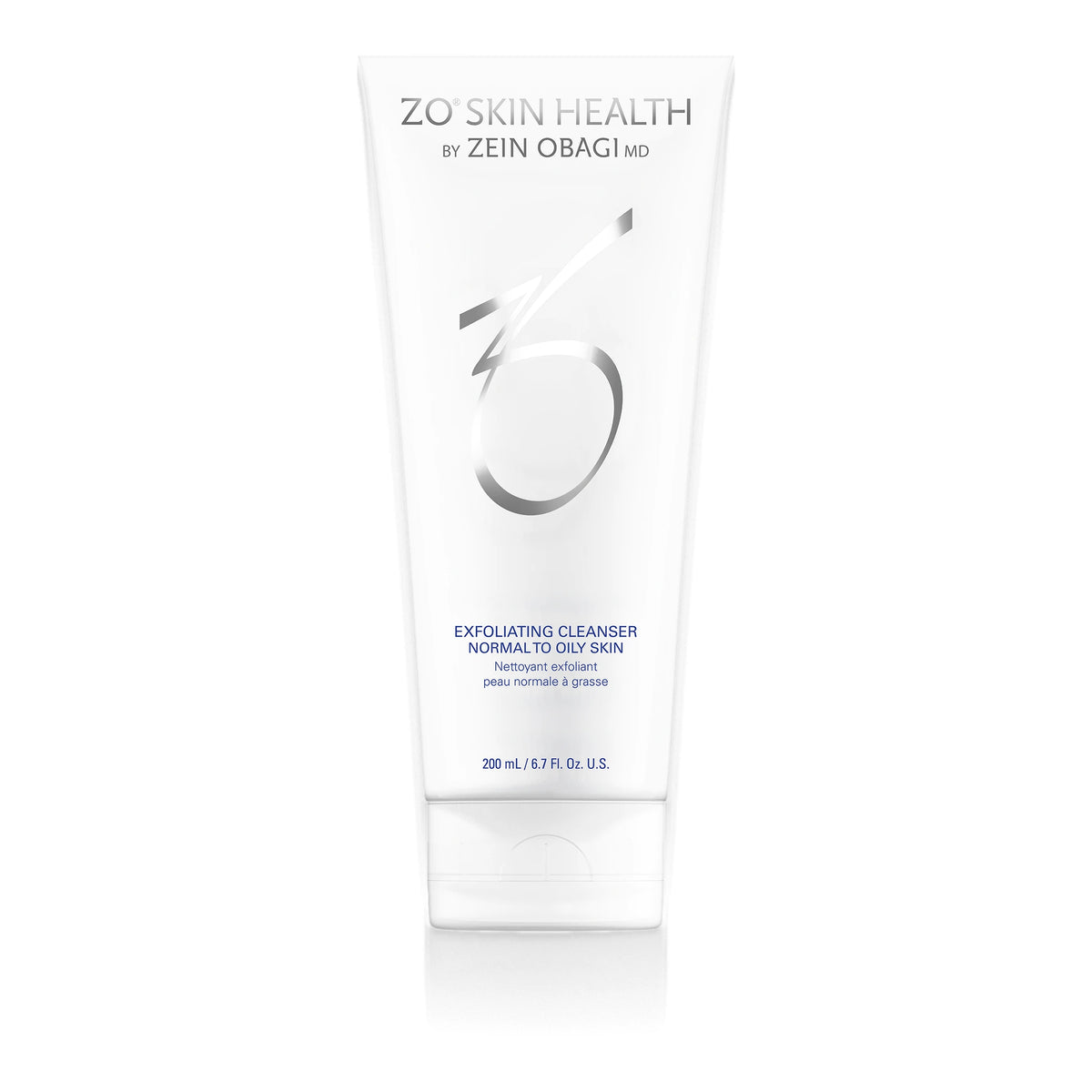
- Niacinamide: in the Exfoliating Cleanser you get both active ingredients in one step.
- A cream with moisture: helps if your skin becomes dry at the start.
Better not together:
- The cosmelan 2 Cream from mesoestetic and products with glycolic acid: according to the manufacturer's warning, do not use at the same time. Both pads below contain glycolic acid.
How much salicylic acid is permitted and what studies show
In the EU, care for the face may contain no more than 2 percent salicylic acid.
In a study with 23 participants, salicylic acid was applied to normal skin for 1 week, in strengths of 2 to 12 percent. In skin samples, the top horny layer was thinner afterwards. The living skin below showed no difference.
On appearance, researchers have described strong peels with 30 percent at intervals of 4 weeks. They reported lighter spots, smoother skin and fewer fine lines. That is 15 times as much as care for the face may contain.
We did not find a study in humans that measures the appearance of normal skin after care with no more than 2 percent in our search. For you, this means: the studies show what happens in the skin, but no result for your reflection in the mirror.
Products with salicylic acid in the shop
You can find more products in our Salicylic acid collection. These four from ZO Skin Health contain salicylic acid according to their ingredient list:
- Exfoliating Cleanser: foam cleanser with salicylic acid and niacinamide for normal to sebum-rich skin, an easy start.
- Complexion Renewal Pads: pads with salicylic acid and glycolic acid, for a smoother-looking complexion.
- Oil Control Pads: pads with salicylic acid, glycolic acid and mandelic acid, for sebum-rich, blemish-prone skin.
- Complexion Clarifying Serum: light serum with salicylic acid that you dose drop by drop.
If you care for your skin with iS Clinical, salicylic acid is in the first step of the Active Peel System. It is a two-step peel for use at home, every other evening according to the directions for use.
Frequently asked questions
What does salicylic acid do to the face?
Salicylic acid loosens old cells on the surface and reaches all the way into the pores. In this way it can contribute to a clearer-looking complexion.
What are AHA and BHA?
AHAs are acids such as glycolic acid and lactic acid. They work mainly on top of the skin. In retail, BHA stands for salicylic acid. It dissolves in fat and gets into the pores.
How long can you use salicylic acid?
The directions for use of the four products above state no fixed limit. You use salicylic acid for as long as your skin tolerates it well. Sun protection belongs to it the whole time, and with the Oil Control Pads for one more week afterwards.
Can I use salicylic acid during pregnancy?
Please consult your doctor.
Sources
- Arif T (2015): Salicylic acid as a peeling agent: a comprehensive review. Clinical, Cosmetic and Investigational Dermatology 8:455-461. DOI 10.2147/CCID.S84765, PMID 26347269.
- Kornhauser A, Coelho SG, Hearing VJ (2010): Applications of hydroxy acids: classification, mechanisms, and photoactivity. Clinical, Cosmetic and Investigational Dermatology 3:135-142. DOI 10.2147/CCID.S9042, PMID 21437068.
- Davies M, Marks R (1976): Studies on the effect of salicylic acid on normal skin. British Journal of Dermatology 95(2):187-192. DOI 10.1111/j.1365-2133.1976.tb00825.x, PMID 952756.
- Kligman D, Kligman AM (1998): Salicylic acid peels for the treatment of photoaging. Dermatologic Surgery 24(3):325-328. DOI 10.1111/j.1524-4725.1998.tb04162.x, PMID 9537006.
- Regulation (EC) No 1223/2009 of the European Parliament and of the Council on cosmetic products, Annex III, entry 98 (salicylic acid).