








What retinol can do and what you need to look out for
Retinol (Vitamin A1) is converted in the skin to retinoic acid - the active ingredient that accelerates cell renewal. A keratinocyte cycle lasts about 6 weeks. After 3-4 cycles (18-24 weeks), results in fine lines, pigment spots, and skin texture are visible. Retinol also plays a central role in melasma care and supports depigmentation because it accelerates the transport of melanin to the upper layers of the skin. Patience is not an option, but a prerequisite.
The Retinol Reaction is normal and desired. Slight flaking, redness, and dryness in the first 2-4 weeks indicate that the retinol is working. This only happens with retinol products, not with all ZO Skin Health products across the board. The intensity depends on the concentration.
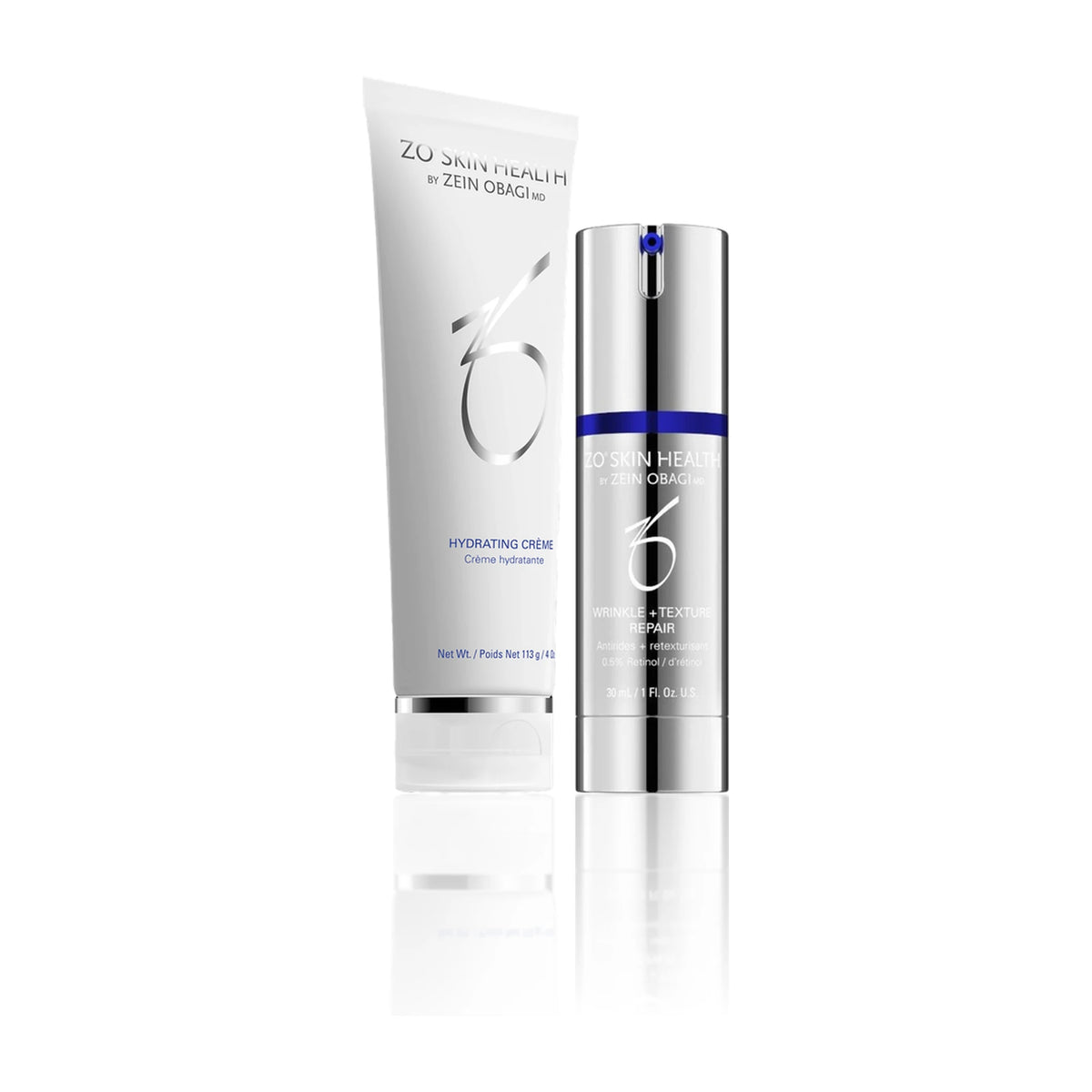
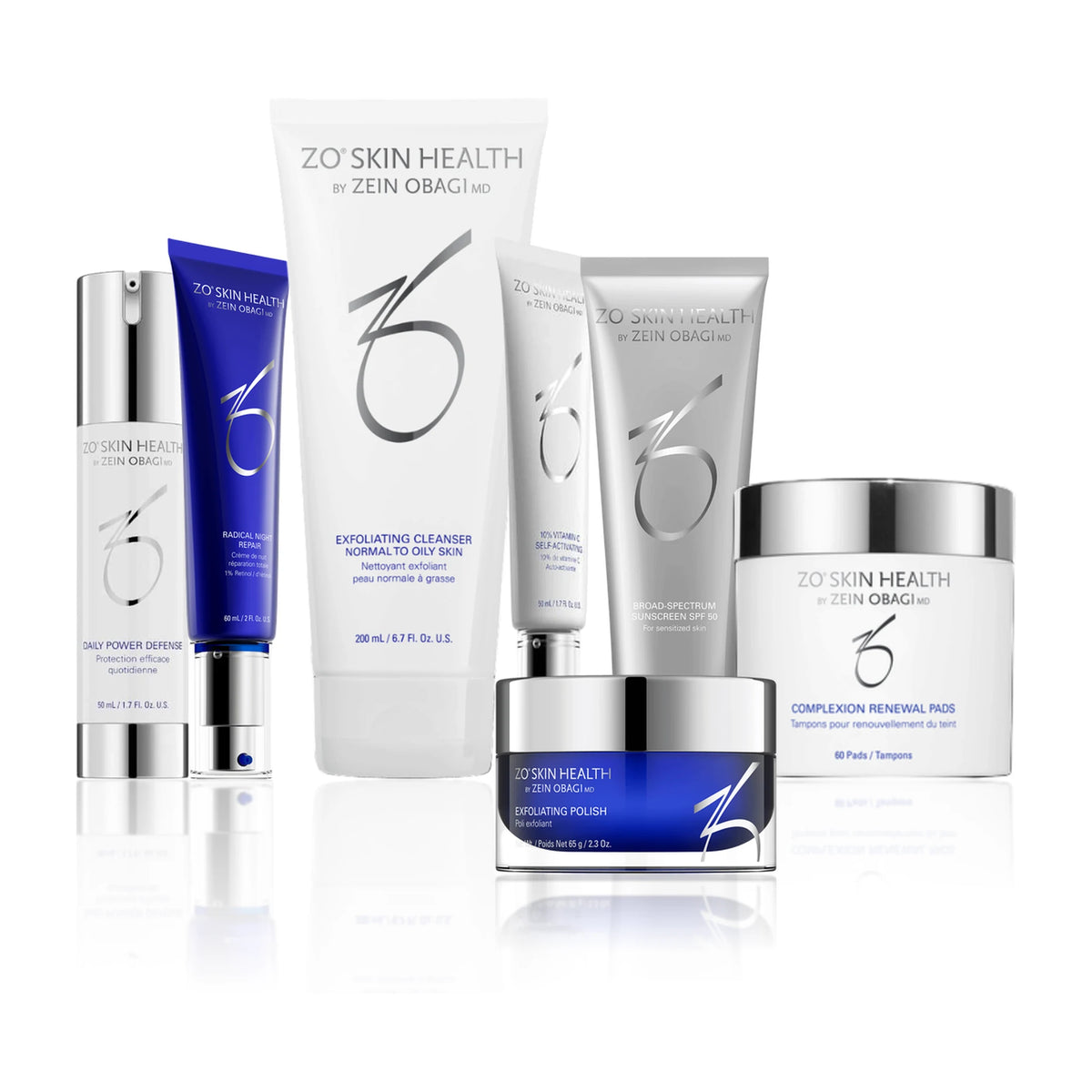
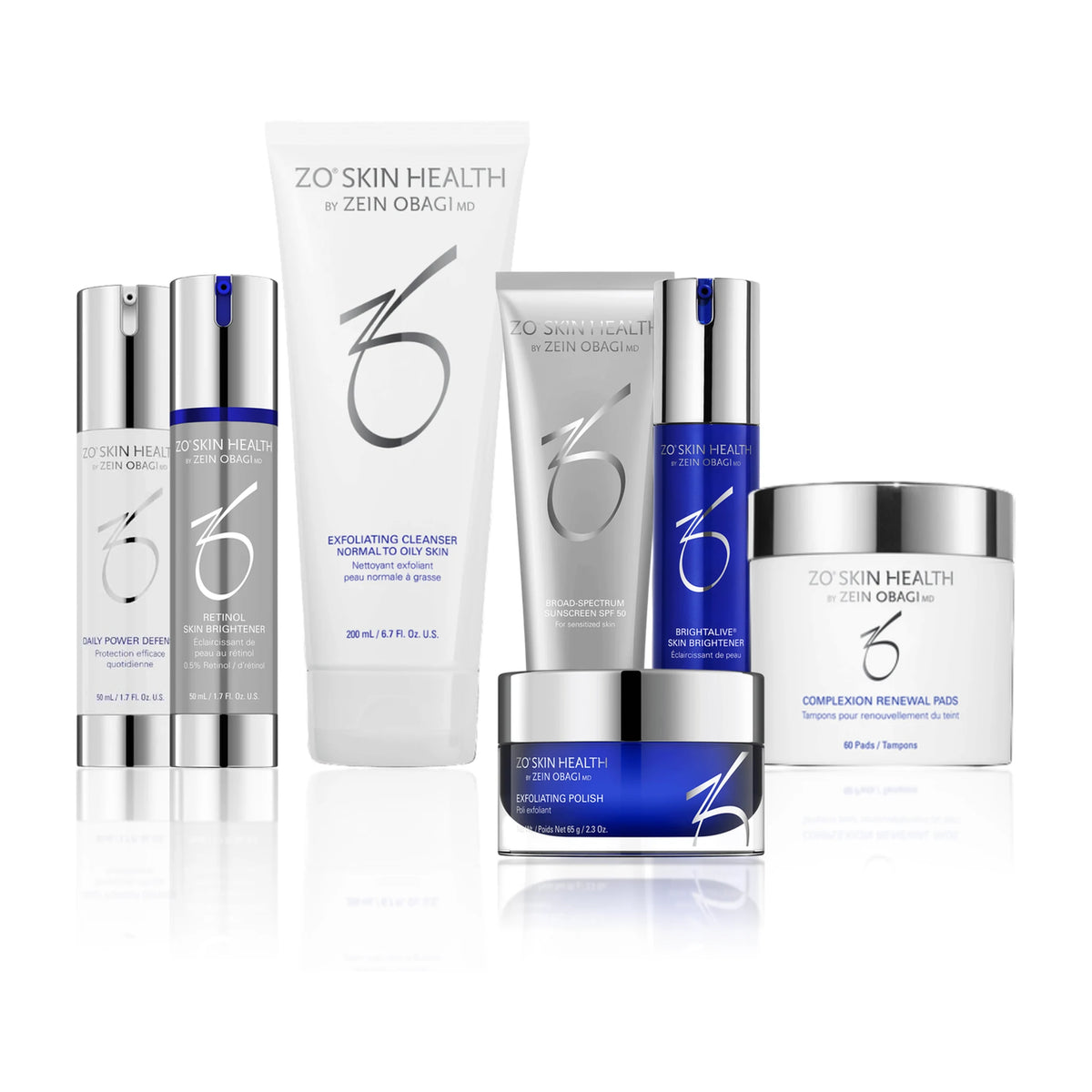
For beginners, we recommend 0.25% (ZO Skin Health Retinol Skin Brightener 0.25 or mesoestetic Skinretin 0.3%). The mesoestetic Skinretin line combines retinol with bakuchiol for better tolerance - an option for those who are sensitive to pure retinol. Advanced users opt for Retinol 1% (ZO Skin Health Wrinkle + Texture Repair) for maximum cell renewal. The iS Clinical Retinol+ Emulsion 0.3 offers another entry-level option with stabilization technology.
In our beauty salon in Cologne, we see the most common mistake with retinol: starting too high. Dr. med. Niels Freitag generally recommends the lowest concentration for 8-12 weeks before increasing. Always use retinol in the evening (UV sensitivity) and apply sunscreen with at least SPF 50 in the morning.
Related categories: Retinol works best in combination with Vitamin C (in the morning) and strong sunscreen. In case of retinol intolerance, Bakuchiol is the plant-based alternative, without overstressing the skin. In combination with peptides, retinol can further support collagen production.
Not sure where to start?
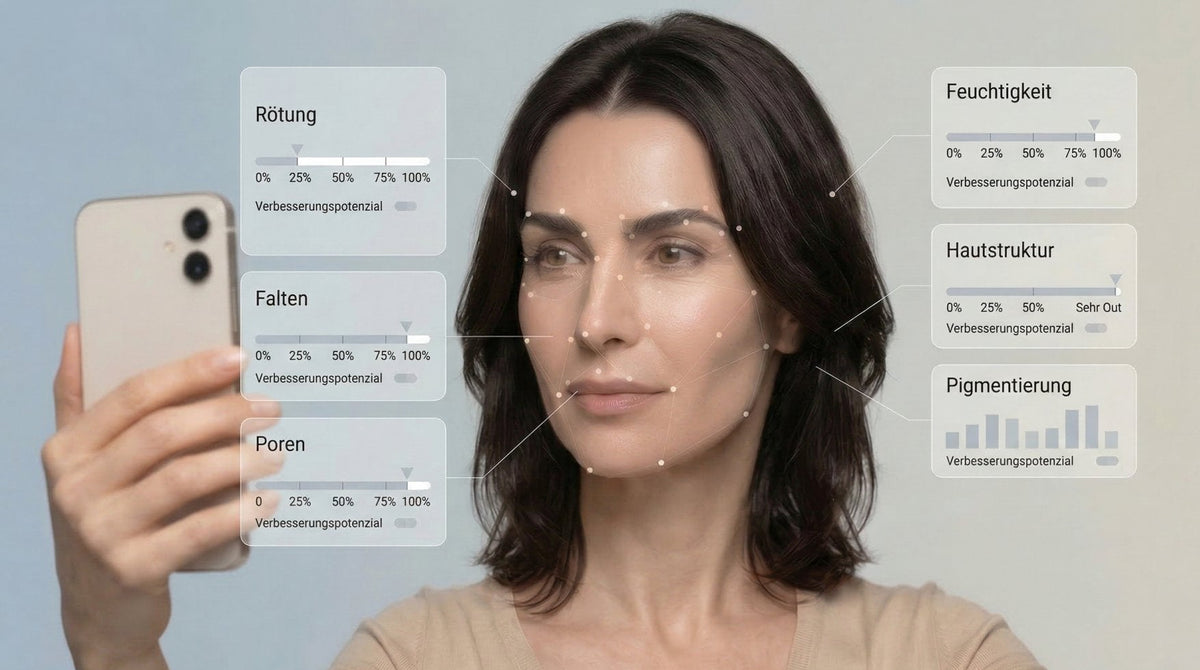
One photo is enough. Our AI skin analysis identifies your skin type, analyses problem areas and recommends products suited to your skin. Free, instant, no appointment.
Prefer personal advice? Our skin experts are here for you by email, phone and video call.
Frequently Asked Questions about Retinol
At what concentration is retinol effective?
Even 0.25% retinol can deliver measurable results - the ZO Skin Health Retinol Skin Brightener line starts at this concentration. Higher concentrations (0.5%, 1%) accelerate results but also increase the potential for irritation. Start low and increase after 8-12 weeks if your skin tolerates the concentration well.
Can I use retinol and vitamin C at the same time?
Yes, but do not apply them simultaneously. Vitamin C in the morning (antioxidant protection), Retinol in the evening (skin renewal). Both active ingredients can weaken each other if applied directly one after the other. Separating them by time solves the problem.
Is the retinol reaction normal?
Yes. Mild flaking, redness, and dryness in the first 2-4 weeks are a sign that retinol is accelerating skin renewal. The reaction is dose-dependent and subsides after the acclimatization phase. If the reaction is strong: reduce application to every other evening, do not discontinue.
Can I use retinol during pregnancy?
No. Retinol (Vitamin A) should not be used during pregnancy and breastfeeding. Please consult your doctor. Bakuchiol is a suitable alternative - a plant-based active ingredient that can have similar effects to retinol but is considered safe during pregnancy.
Which retinol product do you recommend for beginners?
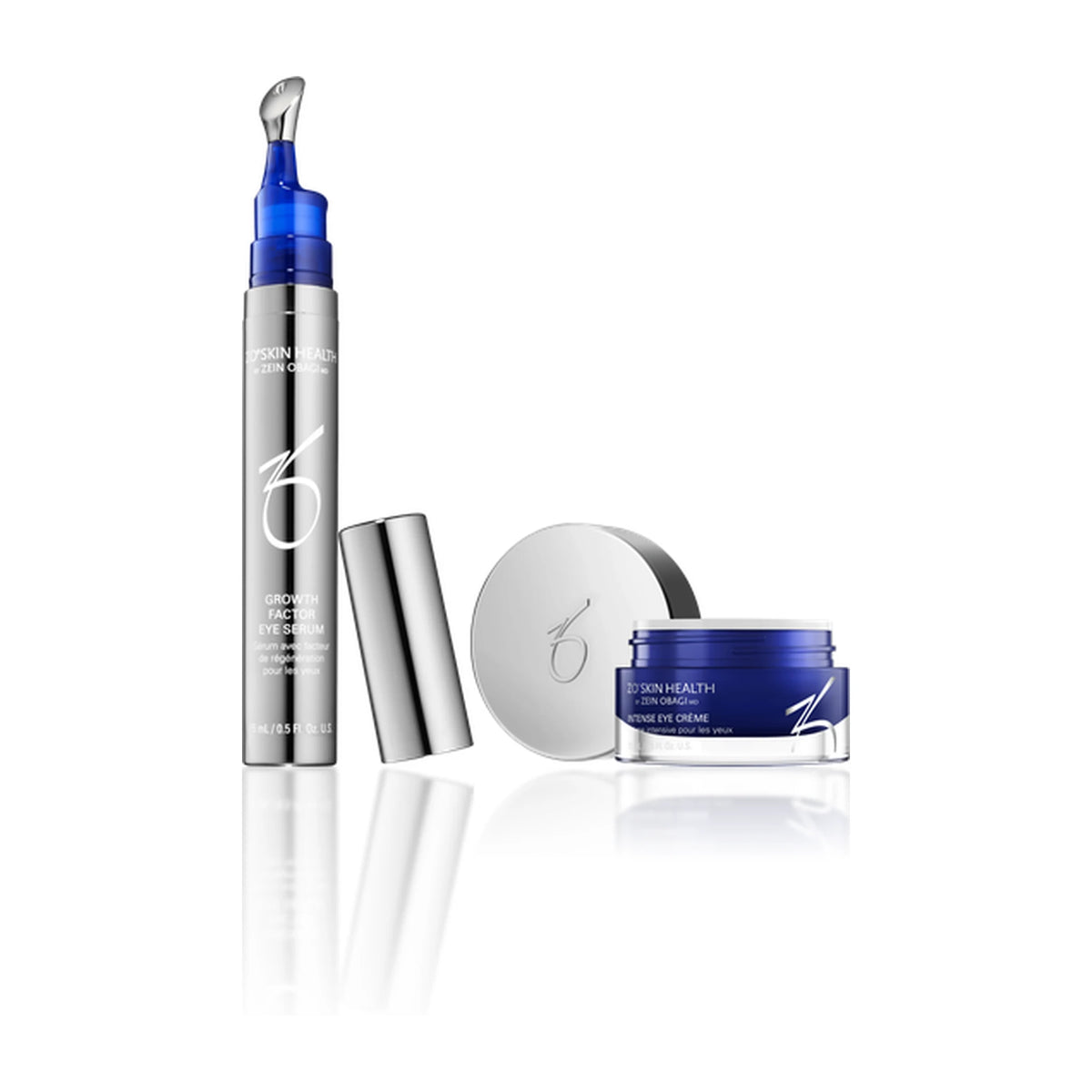
For most skin types: ZO Skin Health Retinol Skin Brightener 0.25. For sensitive skin or retinol beginners: mesoestetic Skinretin 0.3% (combines retinol with bakuchiol for better tolerability). For the eye area: ZO Skin Health Intense Eye Crème (contains retinol in a concentration suitable for the eye area). Our free AI skin analysis helps you choose.