

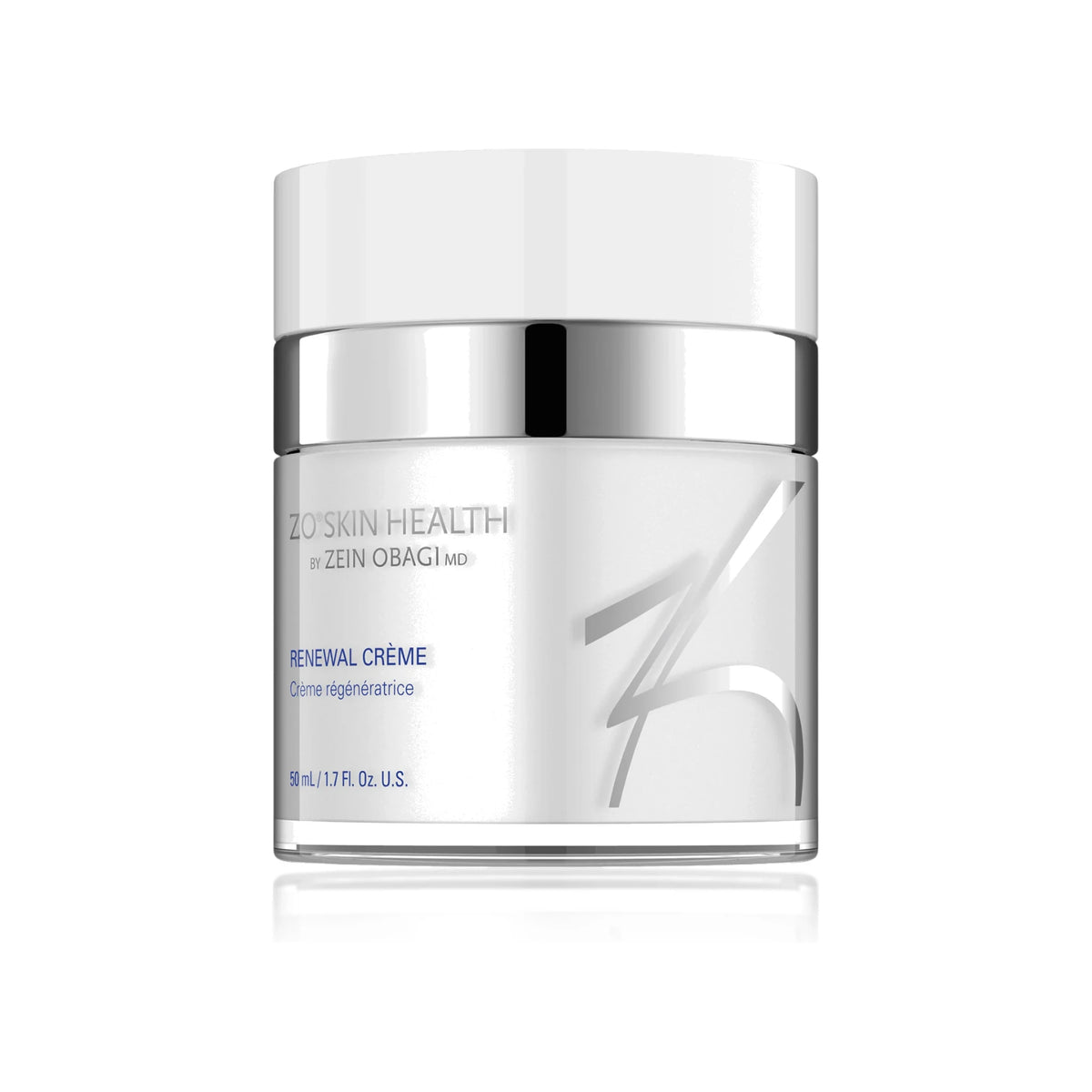
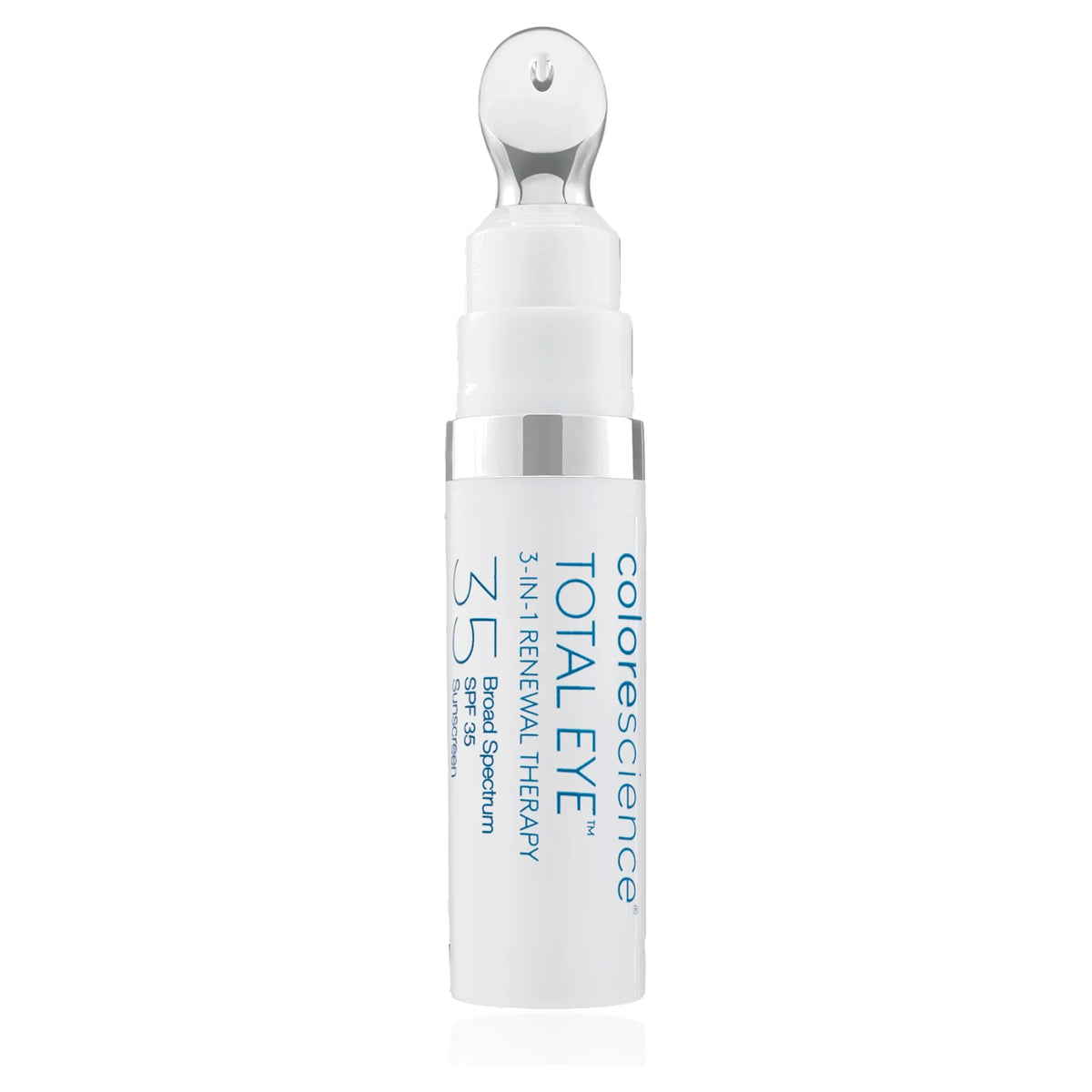
Total Eye 3-In-1 Renewal Therapy SPF 35
3 shades


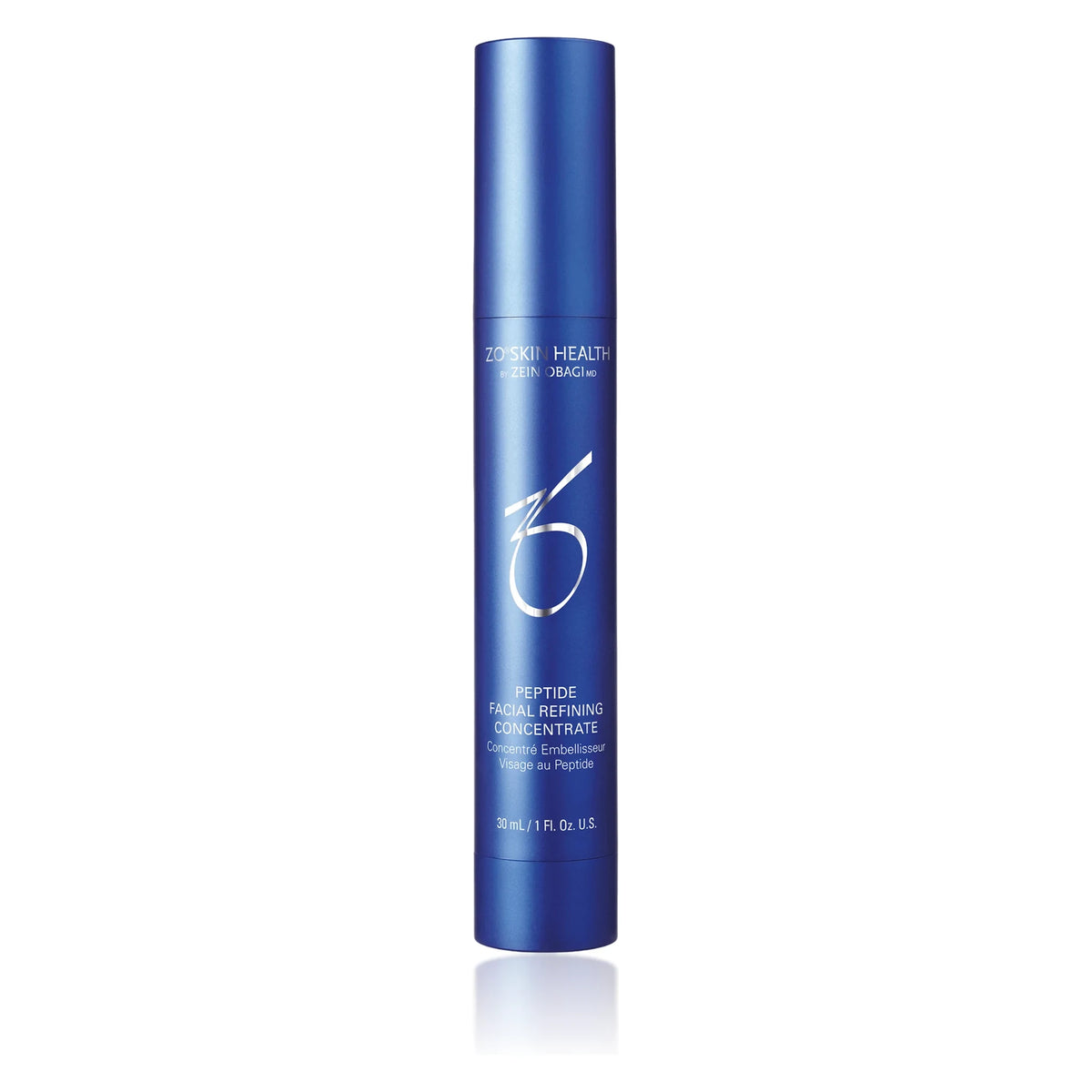
Peptide Facial Refining Concentrate



Pep Up Collagen Boost Face & Neck Serum


Barrier Pro Essential Moisturizer


Mesoprotech Water Veil SPF 50+


Age Element Anti-Wrinkle Cream
Hyaluronic acid: why not every hyaluron product works the same
The effect of hyaluronic acid depends on molecule size. High-molecular hyaluronic acid forms a film on the skin and prevents moisture loss. Low-molecular hyaluronic acid penetrates deeper and can plump the skin from within. Multi-molecular formulas combine both.
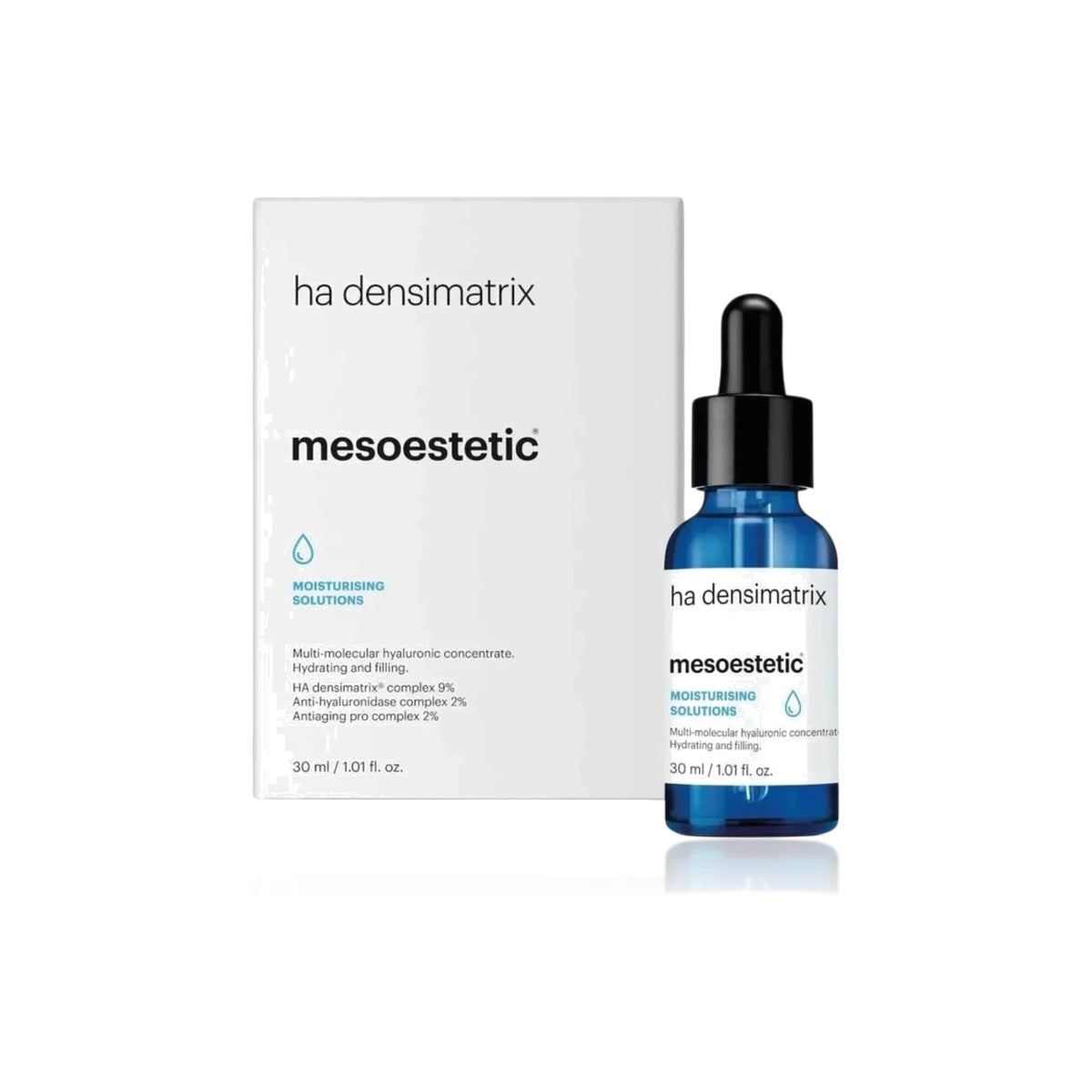
The mesoestetic HA Densimatrix uses exactly this principle: multi-molecular hyaluronic acid, complemented by collagen-stimulating peptides. The result is not only immediate moisture supply, but also long-term firming and tightening. The iS Clinical Hydra-Cool Serum combines hyaluronic acid with Centella Asiatica and vitamin B5 - a soothing, moisturising formula that we use as post-procedure care after treatments and for sensitive skin. Hyaluronic acid also supports DNA repair here by creating a moist cellular environment.
In our skincare studio in Cologne we see a common mistake: applying hyaluronic acid to dry skin. The active needs moisture in order to bind. On dry skin in a dry environment, it can draw moisture out of the skin instead of from the air. The solution: apply hyaluronic acid to slightly damp skin and seal it with a cream.
Related categories: Hyaluronic acid is the basis of any moisturising care. It combines ideally with peptides and niacinamide. Hyaluronic acid also supports the regeneration of a weakened skin barrier by binding moisture in the epidermis.
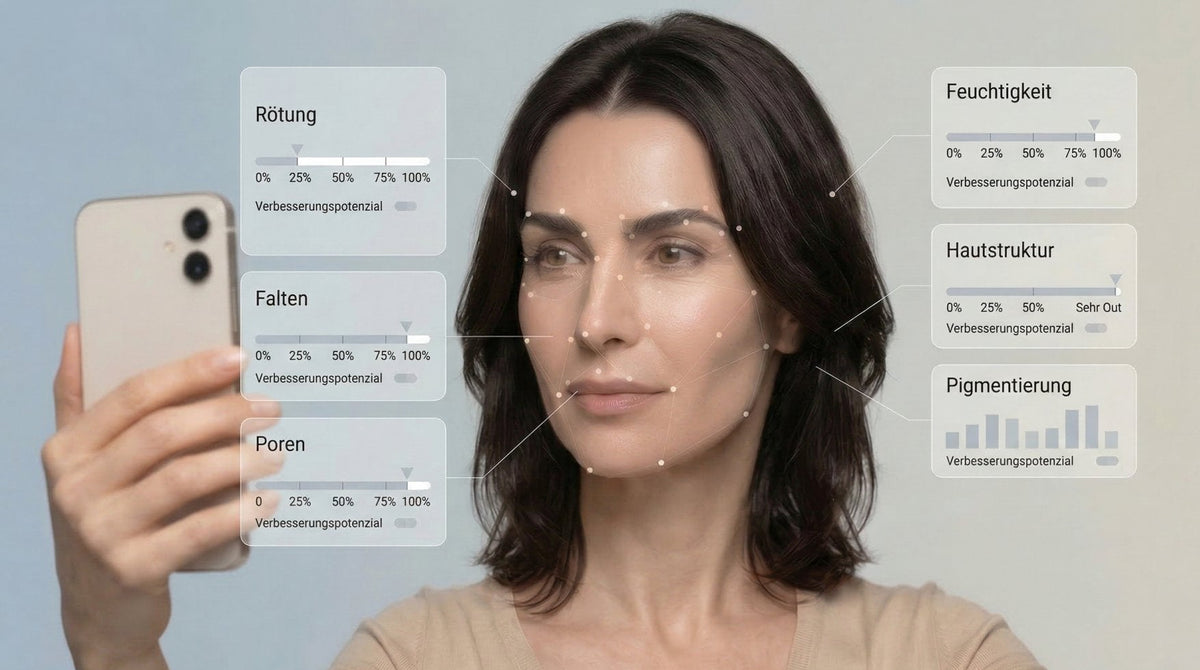
Not sure where to start?
One photo is enough. Our AI skin analysis identifies your skin type, analyses problem areas and recommends products suited to your skin. Free, instant, no appointment.
Prefer personal advice? Our skin experts are here for you by email, phone and video call.
Frequently asked questions about hyaluronic acid
What's the difference between low- and high-molecular hyaluronic acid?
High-molecular hyaluronic acid has large molecules that form a moisture film on the skin surface. Low-molecular hyaluronic acid has smaller molecules that can penetrate deeper into the skin. Multi-molecular products (like the mesoestetic HA Densimatrix) combine both sizes for moisture at every level.
How do I apply hyaluronic acid correctly?
Apply to slightly damp skin - after cleansing, before the skin dries completely. Then seal with a cream or sun protection. Hyaluronic acid attracts water. On damp skin it draws moisture from the surroundings. On dry skin in dry air it can theoretically draw moisture from deeper skin layers.
Is hyaluronic acid alone enough for anti-ageing?
No. Hyaluronic acid provides moisture and plumps fine dryness lines. Against real age-related wrinkles, pigment spots or loss of elasticity, you need active ingredients like retinol, vitamin C or peptides. Hyaluronic acid is the basis, not the solution.
From what age do I need hyaluronic acid?
The body's own hyaluronic acid production decreases from about age 25. A hyaluronic acid serum or a cream with hyaluronic acid makes sense from this age - as a preventive measure. Dry skin benefits at any age.
Can I use too much hyaluronic acid?
Usually not. Hyaluronic acid is very well tolerated and non-irritating. Using it morning and evening makes sense for most skin types. In very dry air (heated air in winter), apply a richer cream on top to seal in the moisture.